
Tara Mandala – International Buddhist Community
Tara Mandala is a vibrant international Buddhist Community with groups around the world. It was established in 1993 by Lama Tsultrim Allione and her late husband, David Petit, to foster the development of innate wisdom for the benefit of all beings.
“Tara Mandala was created to bring people together to support each other, practice, and do retreat in order to reach realization. The second purpose of Tara Mandala is to be a temenos for the emergence of the sacred feminine, through the lens of Vajrayana, leading to the balance of genuine partnership between the masculine and feminine in our world.” – Lama Tsultrim Allione
Tara Mandala, Inc. was incorporated as a Colorado Nonprofit Corporation in 1994. Tara Mandala is a tax-exempt 501(c)(3) religious organization and church. Tara Mandala’s strategic vision is guided by its Board of Trustees who provide overall governance, set policy, and implement bylaws. Tara Mandala’s Spiritual Director, Lama Tsultrim Allione, and The Prajna Council develop our spiritual practice. In order to preserve Tara Mandala’s core principle of the strengthening of the feminine voice, the organization commits to always having a majority of women as trustees on the Tara Mandala Board who identify with the feminine and the need for it in the world.
Tara Mandala day-to-day operations are overseen and managed by Executive Director, Cady Allione, and Assistant Spiritual Director, Dorje Lopön Chandra Easton. The Executive Council provides support and oversight on key policy and operational issues.
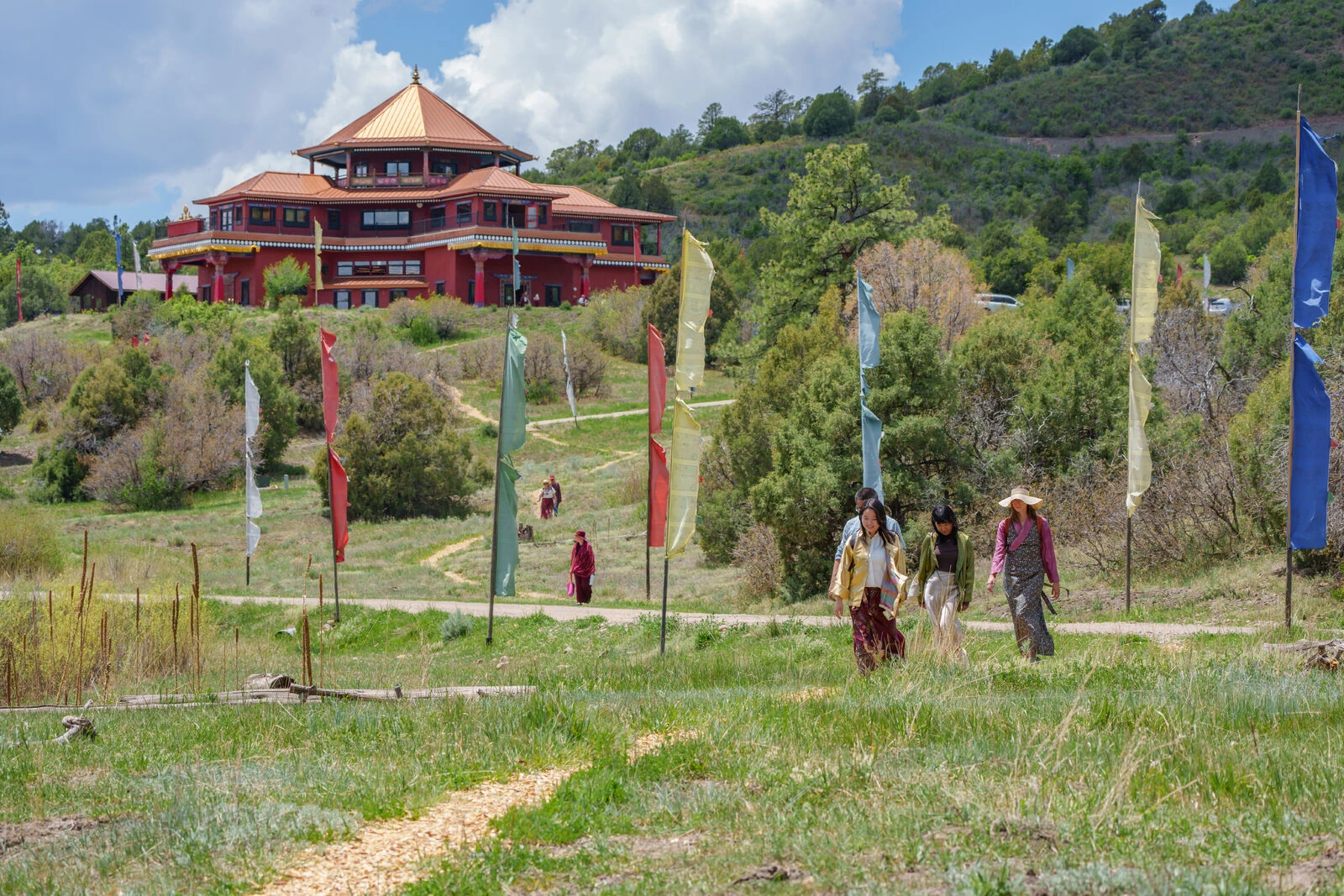
The hub of the Tara Mandala community is the 700-acre dharma center in Pagosa Springs, Colorado. Through the center and the Global Sanghas, Tara Mandala offers a complete path of meditation practice, study, and deep retreat in the tradition of Vajrayana Buddhism. Tara Mandala is dedicated to bringing people to realization through the Buddhist teachings. Tara Mandala is committed to fostering a welcoming atmosphere for all people to explore the teachings of the Buddha, and we are committed to cultivating a community that values diversity and inclusion.
Since founding Tara Mandala in 1993, students have continued to be drawn to the land and Tara Mandala Global Sanghas sprung up around the world. Today there are more than 40 Global Sanghas in nine countries. These local practice groups offer teachings, online offerings, local practice sessions, and individual support. Groups are led by Senior and Apprentice Teachers in Lama Tsultrim’s lineage and students authorized to facilitate meditation practice sessions. Lama
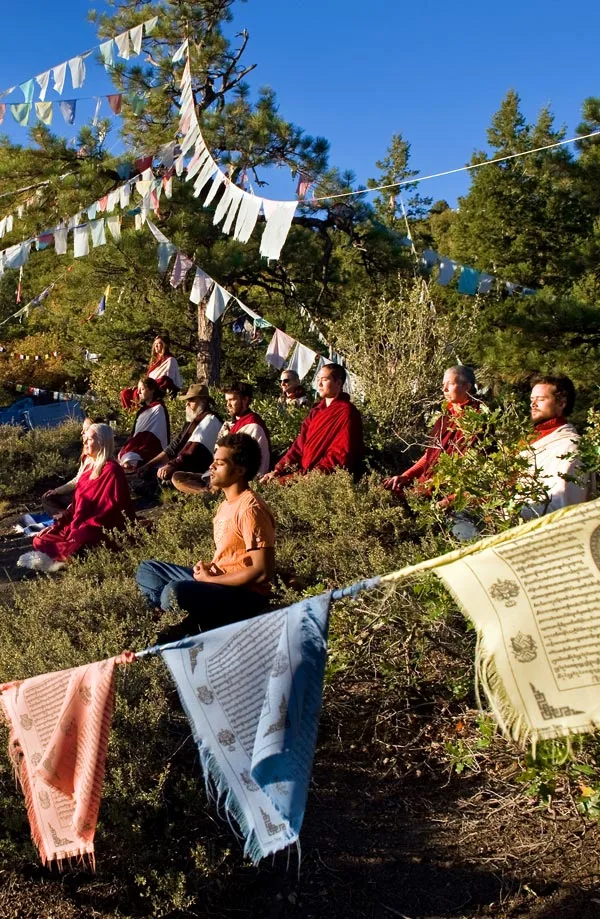
Tsultrim has clarified and organized long-term practice paths for students into what is now established as the Gateway and Magyu lineage programs.
Tara Mandala has a rich history of manifestation and development in its first two decades of existence. The Board of Trustees completed a strategic planning process to identify the core priorities that will guide Tara Mandala’s work in the coming years in November of 2016. Through the strategic planning process, the organization committed to short, medium and long-term goals to ensure the Tara Mandala is moving toward the manifestation of chosen priorities –and Lama Tsultrim’s vision.
History of Tara Mandala
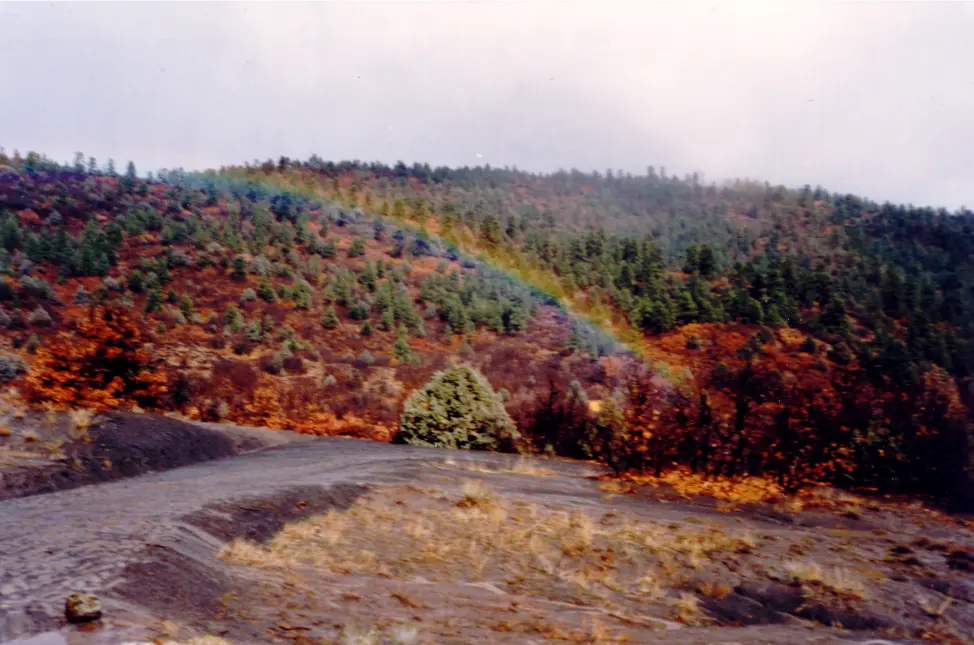
The vision of Tara Mandala began in the early 1970s when Lama Tsultrim was a Buddhist nun. She had a vision of a retreat center in the West where practitioners could achieve the depths of meditation that was achieved in ancient Tibet and the interface of between Western psychology and Buddhism could be explored. Through following dreams and visions, Lama Tsultrim and her late husband David Petit found the land that became Tara Mandala Retreat Center on September 18, 1993. In 1994, they formed the organization of Tara Mandala, legally incorporated as a 501(c)(3) designated as a church. The organization eventually purchased the 700-acres of land in Southwestern Colorado, near Pagosa Springs. On November 12, 1994, Lama Tsultrim consecrated the land. At the time of the consecration, a very hard rain fell so it was impossible to hear inside the newly constructed canvas yurt that served as the temple. Then, at the end of the rain, a beautiful rainbow appeared, actually on the land itself, rather than in the sky!
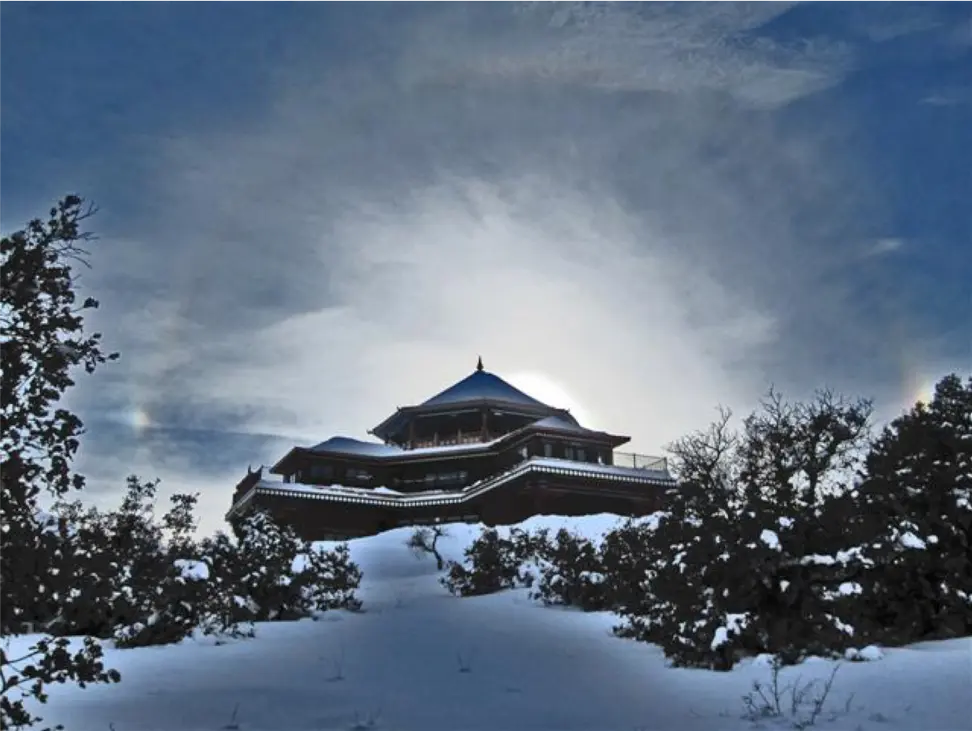
Tara Mandala was made possible by the generosity of many donors, some large and some small, who often came forward just when needed, allowing Tara Mandala to develop with no residual debt. Starting with little more than her vision of the dharma center and David’s help, the first structures were constructed on the land. It began with a collection of teepees, tents, and yurts, and then after ten years, they built the Community Building which opened its doors in October of 2005. Prajna Residence Hall followed in 2007 as well as four solitary retreat cabins. In 2007, work for the 12,000 square-foot, three-story temple and library began. Lama Tsultrim had a dream-vision of this temple in 2001 through the blessing of Vimilamitra. The first practice in the temple took place at the winter solstice in 2008. It was held in the third floor because the rest of the temple wasn’t completed. A spherical rainbow appeared over the temple on this day.
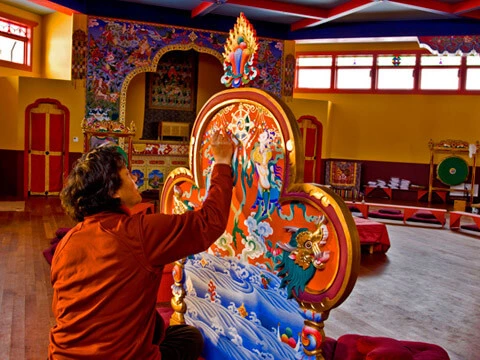
Over the next few years, the statues for the temple were completed by Bijaya Shakya of Bodhi Arts in the Patan section of Kathmandu, Nepal. He and his family of 21 people, who have been master statue makers in Nepal for generations, all worked to complete the statues of Machig Labdrön, Buddha Sakyamuni, Prajnaparamita and the 21 Taras in the Longchen Nyingtik tradition. Tulku Sang-Ngag Rinpoche proclaimed these we the most beautiful statues of Tara in the world. Work on the temple continues under the artistic direction of Lama Gyurme Rabgye, Tibetan artist from Mindroling Monastery in Tibet. Currently, he is working on ceiling mandalas for the Trikaya Tara Temple.
Due to a five year grant, Tara Mandala was able to hire Tibetan librarian Jampa Dradak to create our Tibetan-English library on the second floor of the temple. Similarly, dharma blossomed through teachings from Lama Tsultrim, visiting Lamas as well as other teachers who were invited to teach and through the cultivation of Senior Teachers and Global Sanghas around the world.
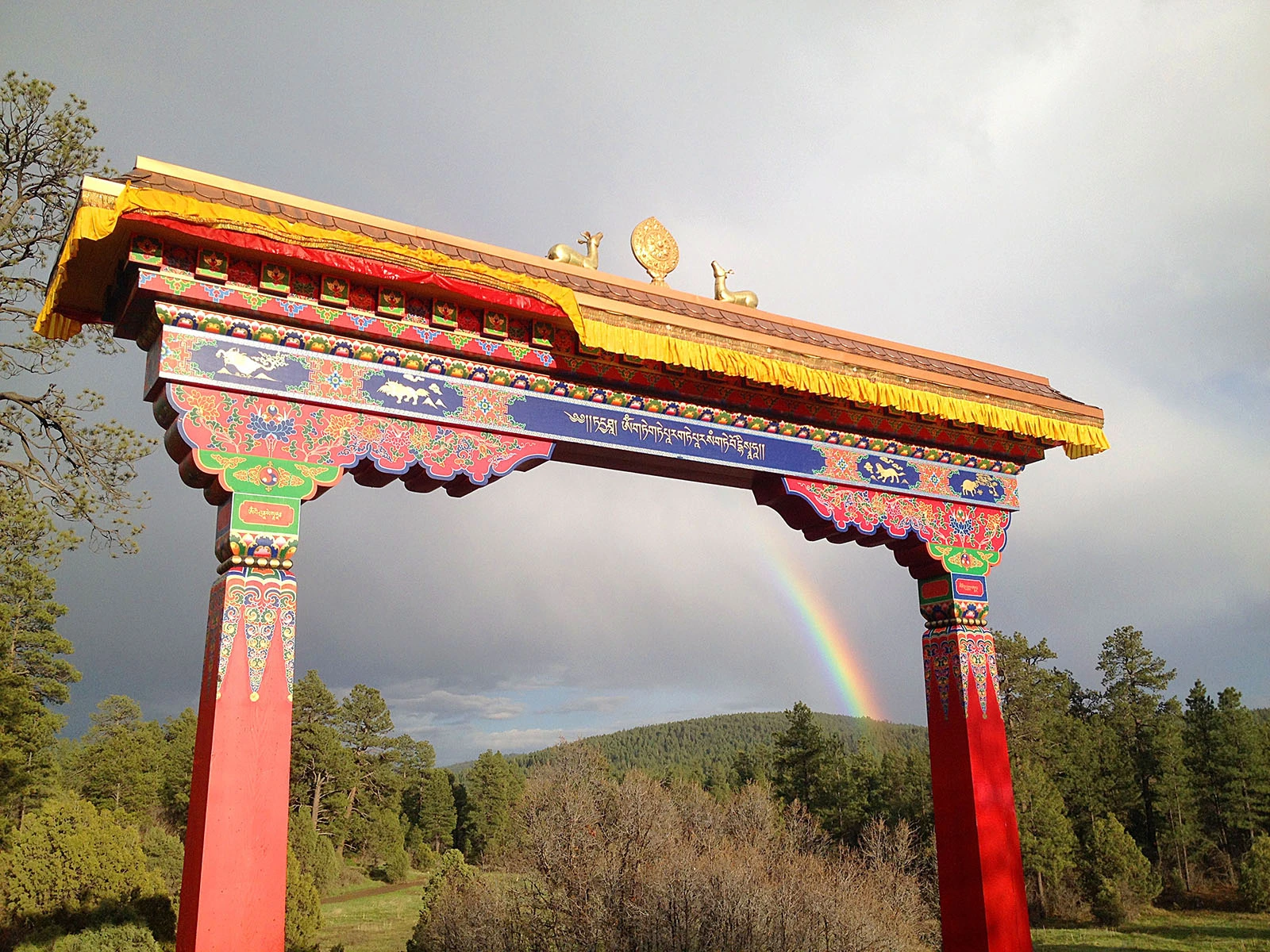
Tara Mandala Retreat Center has been recognized as ‘gNas’ or power place by many Lamas in particular Ad.zom Rinpoche who saw in a vision, that the land is the body of Tara and predicted many yogins would reach rainbow body on the land. Ad.zom Rinpoche also revealed a Troma terma on the land in 2002, after the revelation there were extraordinary signs such as vertical rainbows in the meadow, rainbows rolling next to the car, and rainbows on all the clouds in the sky, making the land also Tersa (a place where hidden Dharma treasures are revealed). Tara Mandala a became to be known as a power place for practice, teachings, and deep retreat. Several people have done three-year retreats and other long-term retreats. In 2017 we hosted the first-ever International Chöd-Zhije Conference with scholars and practitioners from around the world attending.
Tara Mandala Retreat Center has moved forward to take its seat amongst the most innovative yet traditional Dharma Centers in the West due to the dedication of Lama Tsultrim, David Petit, those who have served on the Board of Trustees, Senior and Apprentice Teachers, the growing international community, and the many staff and volunteers who worked on the land.
Tara Mandala has also spoken out against sexual harassment in the Dharma and instituted a Sexual Harassment Policy in 2010.
Tremendous generosity has allowed us to build the vision and due to recent donations we have been able to fund our endowment, The David Petit Sustainability Fund with over $2 million to secure our future and we intend to grow that fund substantially through the legacy and other gifts. We are also working on creating the first Buddhist cremation site where open-air cremation can be performed and a building for the ashes of the deceased to be kept.
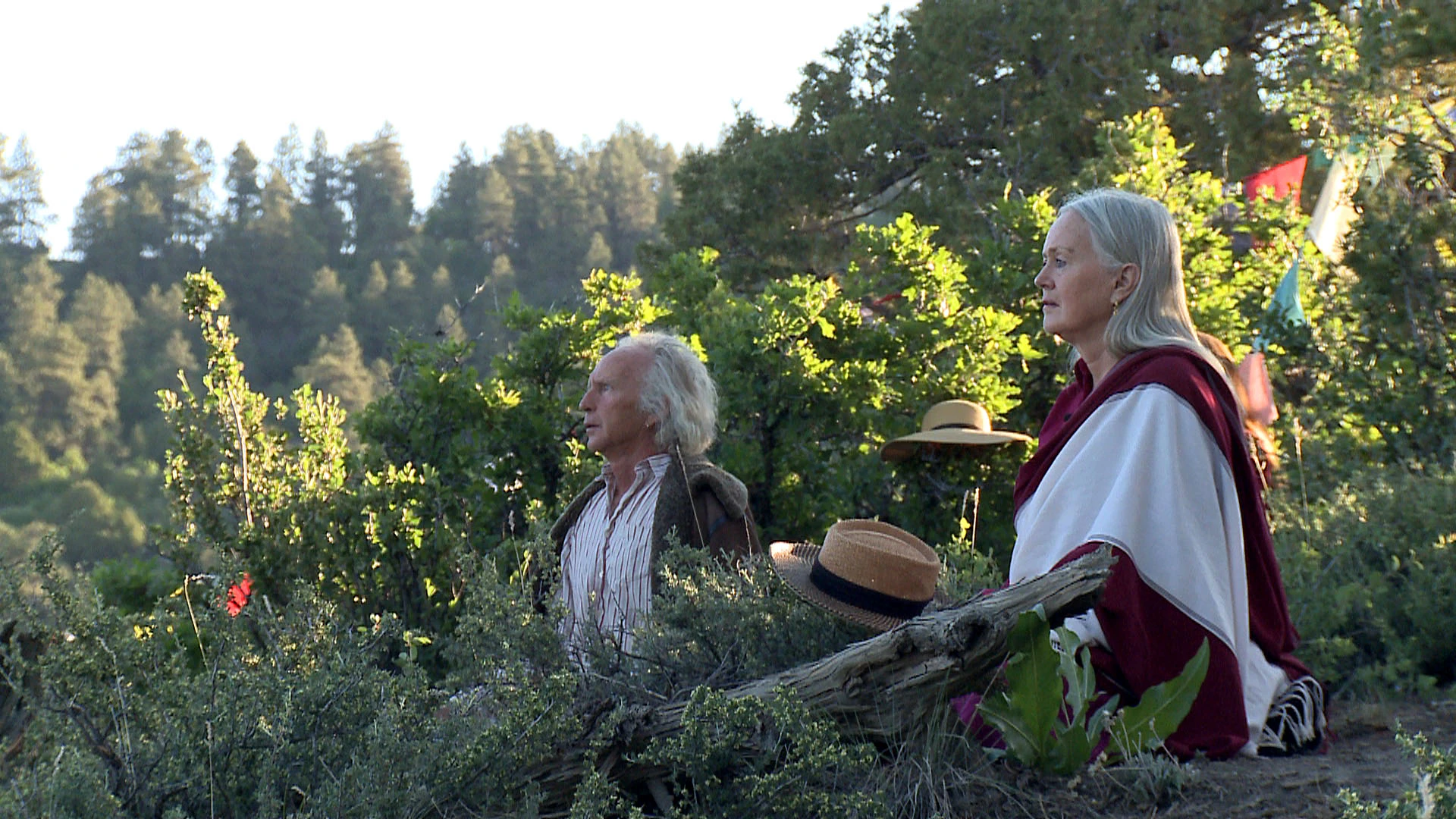
“The loss of feminine qualities is an urgent psychological and ecological issue in modern society. It is a painful loss in our emotional lives and a disastrous loss for the safety of life on earth…It is by empowering the sacred feminine and by listening to the earth as she tries to communicate with us that we will ultimately heal…
…We need to develop the model of mutually empowered partnership with men rather than domination of either gender, societies that promote power with rather than power over each other.”
~ Lama Tsultrim Allione, Wisdom Rising: Journey into the Mandala of the Empowered Feminine
Mission, Vision, Values
Mission
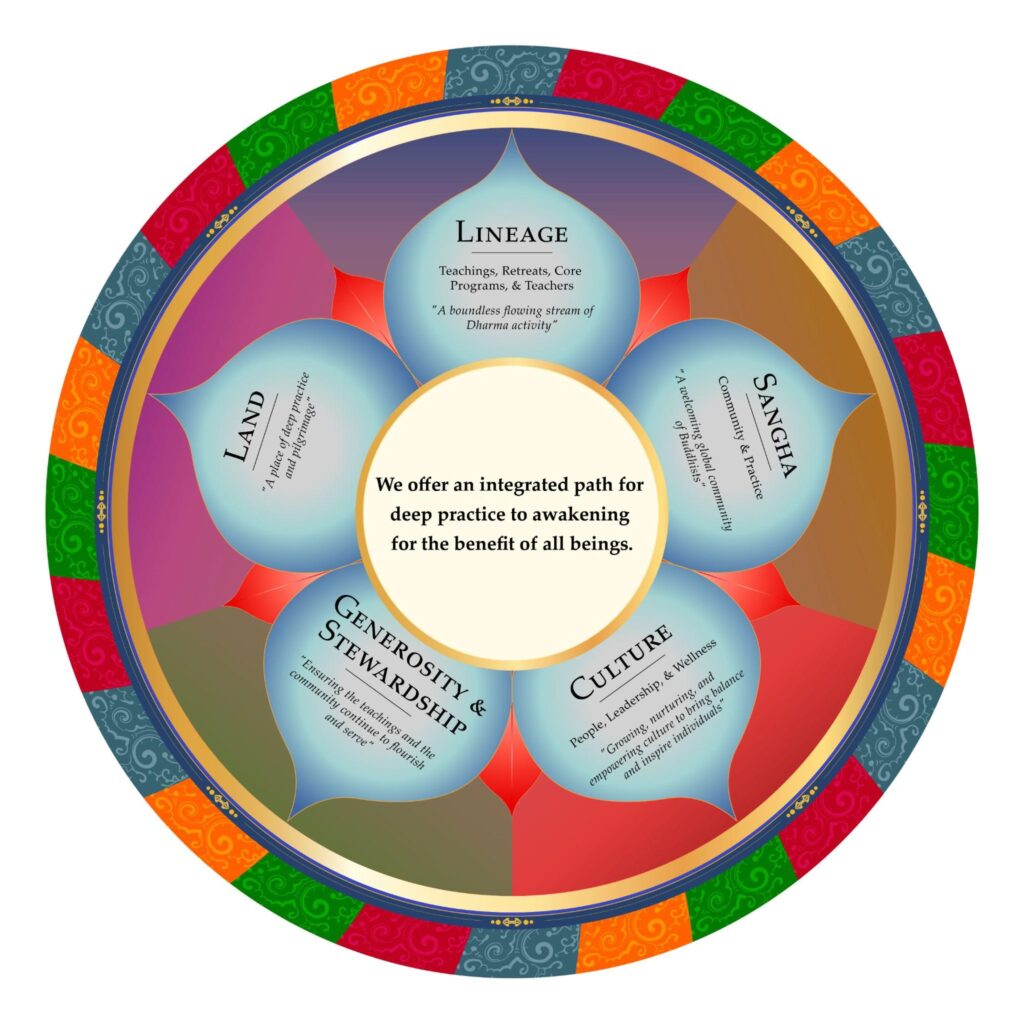
Tara Mandala is an international Buddhist organization led by Lama Tsultrim Allione, based at Tara Mandala Retreat Center in Pagosa Springs, Colorado. Its mission is to benefit all beings through teachings leading to the development of wisdom and compassion, with a primary focus on the lineage of the 11th century Tibetan woman teacher, Machig Labdrön. Her teachings offer the revolutionary paradigm of feeding not fighting, which has applications in both personal and collective arenas.
Vision
We envision Tara Mandala generating a global network of meditation centers and sanghas practicing the lineage of Machig Labdrön for the benefit of all beings, using both ancient Tibetan teachings and modern adaptations of these methods.
Tara Mandala is a vibrant international Buddhist Community with its hub at the 700-acre retreat center in Pagosa Springs, Colorado where both group and solitary retreat facilities are available. We maintain and steward Tara Mandala Retreat Center with careful attention to the spirits of the land and its preservation for future generations. We offer a complete path to realization anchored in Machig Labdrön’s lineage with opportunities for both deep retreat and practice in the world.
Organizational Values
- We recognize the sacredness of all life
- We recognize there is an imbalance in the world creating the current state of ecological and political emergency
- We believe the re-emergence of the sacred feminine through spiritual and social development is key to healing this imbalance leading to partnership between masculine and feminine, in a more balanced and compassionate world
- We support a just and equitable world
- We cut through our hopes and fears by feeding not fighting our demons and thus transforming obstacles into allies
- We see all that arises as a potential path to awakening
- We know compassion is the recognition of interdependence and act accordingly
- We find ways to offer teachings to people in a variety of circumstances
“The loss of feminine qualities is an urgent psychological and ecological issue in modern society. It is a painful loss in our emotional lives and a disastrous loss for the safety of life on earth…It is by empowering the sacred feminine and by listening to the earth as she tries to communicate with us that we will ultimately heal…
…We need to develop the model of mutually empowered partnership with men rather than domination of either gender, societies that promote power with rather than power over each other.”
~ Lama Tsultrim Allione, Wisdom Rising: Journey into the Mandala of the Empowered Feminine
Tara Mandala Strategic Plan
Tara Mandala, Inc. was incorporated as a Colorado Nonprofit Corporation in 1994. Tara Mandala is a tax-exempt 501(c)(3) religious organization and church. Tara Mandala is lead by Spiritual Director Lama Tsultrim Allione and managed by its Board of Trustees who follow its bylaws.
Tara Mandala has a rich history of manifestation and development in its first two decades of existence. As we look forward to the next phase of maturation and refinement for the organization, we are pleased to complete a strategic planning process to identify the core priorities that will guide our work in the coming years. Through this strategic planning process, we are committing to short, medium, and long-term goals that align with Tara Mandala’s mission and community values. Today, on November 18, 2016 we present this plan for review to the Board of Trustees.
⠂⠂⠂
Tara Mandala began with Lama Tsultrim’s vision of a retreat center where practitioners in the West could achieve the depths of meditation at the level what was achieved in Tibet. Through synchronicity and spontaneous manifestation, Lama Tsultrim and David Petit found and purchased the retreat center land, with the generosity of donors often coming forward just when needed. Starting with little more than her vision of the Tara Temple, and David’s help, the first structures and buildings were constructed on the land. Beginning with a collection of tents and yurts, Tara Mandala soon built the Community Building, Prajna Residence Hall, four retreat cabins, and in 2009 completed the Trikaya Tara Temple. The physical facilities of Tara Mandala rose improbably, almost magically, through the hard work, generosity, and dedication of Lama Tsultrim, David, the growing sangha, and the many staff and volunteers who worked on the land. Similarly, dharma blossomed on the land through teachings from Lama Tsultrim, visiting Rinpoches, and other teachers who were brought to Tara Mandala. It became to be known as a power place for practice, teachings, and deep retreat. Lama Tsultrim later clarified and organized long-term practice paths for students into what is now established as the Gateway and Magyu lineage programs. Students continued to be drawn to Lama Tsultrim, and Tara Mandala global sanghas sprung up around the country and throughout the world.
This auspicious beginning laid the foundation for the organization and prepared Tara Mandala to enter its next 22-year phase. The bootstrapping boldness of the early days that was necessary to establish and grow Tara Mandala is now giving way to a more formal, robust management and an eye to long term stability and sustainability for the organization.
To ensure its current health and future functioning, Tara Mandala has laid the foundation for a shared, collaborative effort, enabling Lama Tsultrim to develop a team both at Tara Mandala and remotely to whom she can entrust the organization. As the teachings show us, the impermanence of human life is unpredictable and inevitable. Lama Tsultrim and her team are taking pains to ensure that Tara Mandala will not only survive her but thrive in the years after her passing enabling the center to be the seat of her future reincarnations. Looking toward the future, we understand the importance of establishing a management plan and structures to support consistent progress toward the strategic priorities of Lama Tsultrim’s vision in the short, medium, and long term – the culmination of which is this strategic plan.
To this end, Tara Mandala created a Strategic Planning Committee in 2012. In 2013 and 2014, the organization engaged the input of organizational consultants Susan Skeij and Sheldon Romer. The Board of Tara Mandala then looked to Lama Tsultrim’s vision, and together with Lama Tsultrim, wrote updated mission and vision statements for the organization in 2015. In 2016, the Strategic Planning Committee identified the key priorities toward which Tara Mandala can direct and focus its efforts. This committee drafted an original version of this strategic plan and reviewed it with Lama Tsultrim Allione. Next, the committee engaged in a formal process to solicit the feedback of key stakeholders within the sangha of the organization including Senior and Apprentice teachers, national and international Global Sangha leaders, current and past Board Members, current and past Executive Directors, Magyu and Gateway participants, major donors, as well as current and past staff and volunteers. The result of this process is the following six areas of strategic priorities. This list represents the roadmap that will guide Tara Mandala as it transitions from the “establishment” and “start-up” phase to the “stability” and “longevity” phase, extending forward into the future.
The intention in presenting this at the November 2016 Board of Trustees meeting is to review, discuss, crystalize, and propose a plan for adoption. Where we are unable to provide exact figures in this plan, we commit to including project leaders and dates as to when this data will be researched and added to the Strategic Plan.
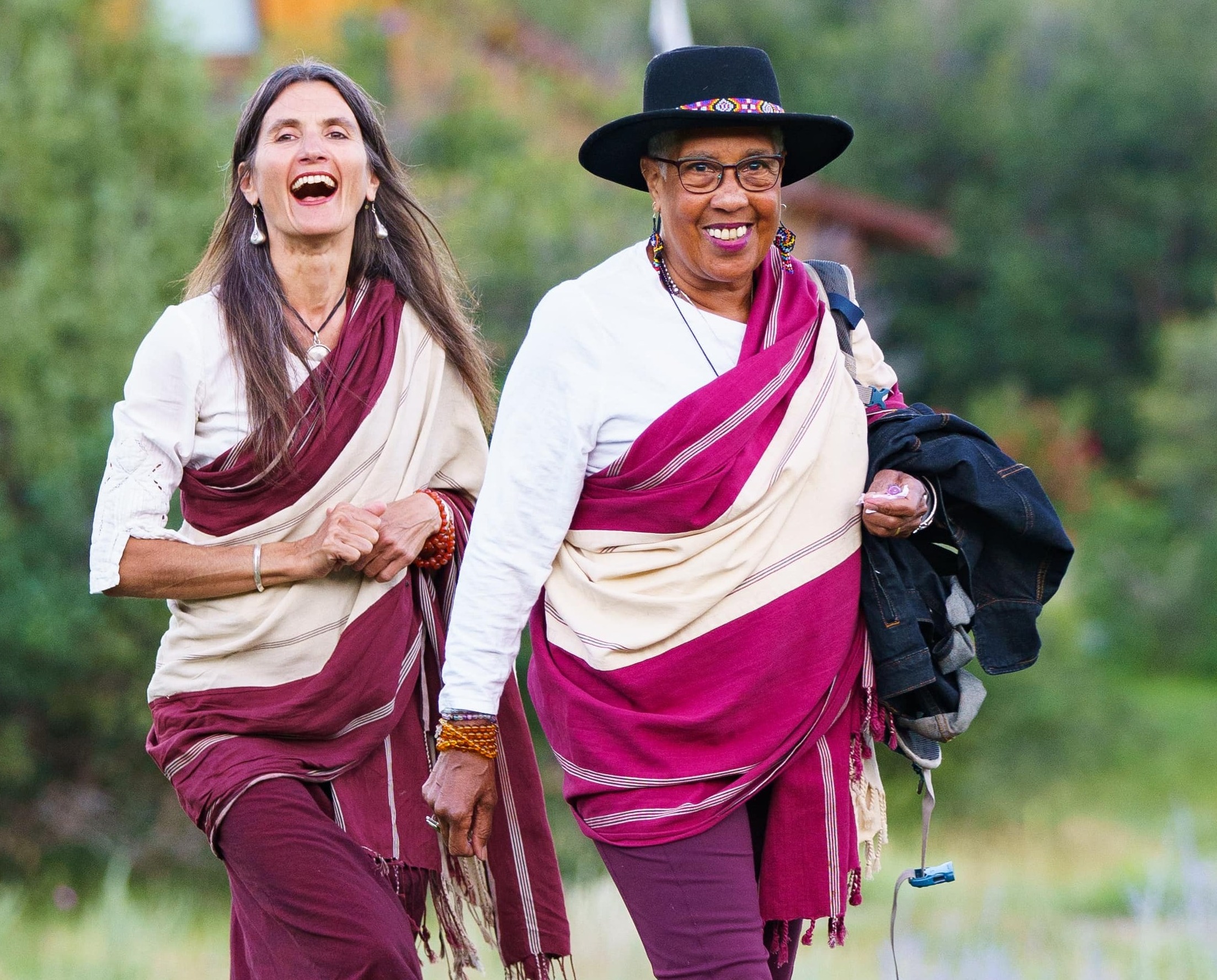
Tara Mandala’s Commitment to Inclusivity
Tara Mandala is committed to being a welcoming, open, and safe community for practitioners and students of all cultures, races, religions, genders, sexual orientations, age, ability, and circumstances.
The intention of our Participant’s Code of Conduct is to ensure that all people feel welcomed, appreciated, accepted, and safe at all Tara Mandala programs, (e.g. onsite, in-person, or online) as well as foster a shared understanding of Tara Mandala’s commitment to supporting equity, diversity, and inclusion.
Board of Directors
Tara Mandala is governed by a Board of Trustees in collaboration with the Executive Council.
The Tara Mandala Board of Trustees:
Officers:
President – Celeste Young
Vice President – Vacant
Treasurer – Suki Sohn
Secretary – Chögé Lisa Erickson
Board Members:
Lama Tsultrim, Dorje Gyaltsab Tulku Ösel Dorje, Dorje Lopön Charlotte Rotterdam, Catherine Bell
Lama Tsultrim Allione
Lama Tsultrim Allione, M.A. was one of the first American women to be ordained as a Tibetan Buddhist nun. She was ordained as a getsulma in 1970 by the 16th Karmapa. After four years as a nun studying Tibetan, practicing Buddhism and living in the Himalayas, Lama Tsultrim returned her monastic vows, married, and raised a family of three. She earned a M.A. degree in Buddhist Studies /Women’s Studies from Antioch University. She is the author of Women of Wisdom, a groundbreaking book on the lives of great Tibetan women practitioners. Her National Bestseller, Feeding Your Demons: Ancient Wisdom for Resolving Inner Conflict, (2008, Little, Brown & Co), connects the ancient principles of Buddhism with the modern psyche, based on the teachings of the eleventh century Tibetan yogini Machig Labdrön. A panel of distinguished Buddhist scholars and practitioners from the Association for the Promotion for the Status of Women in Bangkok, Thailand selected Lama Tsultrim Allione as a recipient of the 2009 Award for Outstanding Women in Buddhism.
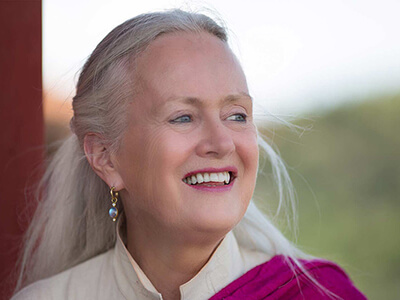
She founded Tara Mandala in 1993, a 700‑acre retreat center where a large three‑story mandala temple dedicated to the female Buddha of compassion, Tara, has recently been constructed. Tara Mandala offers a wide a variety of programs with a special focus on the lineage of Machig Labdrön.
Celeste Young
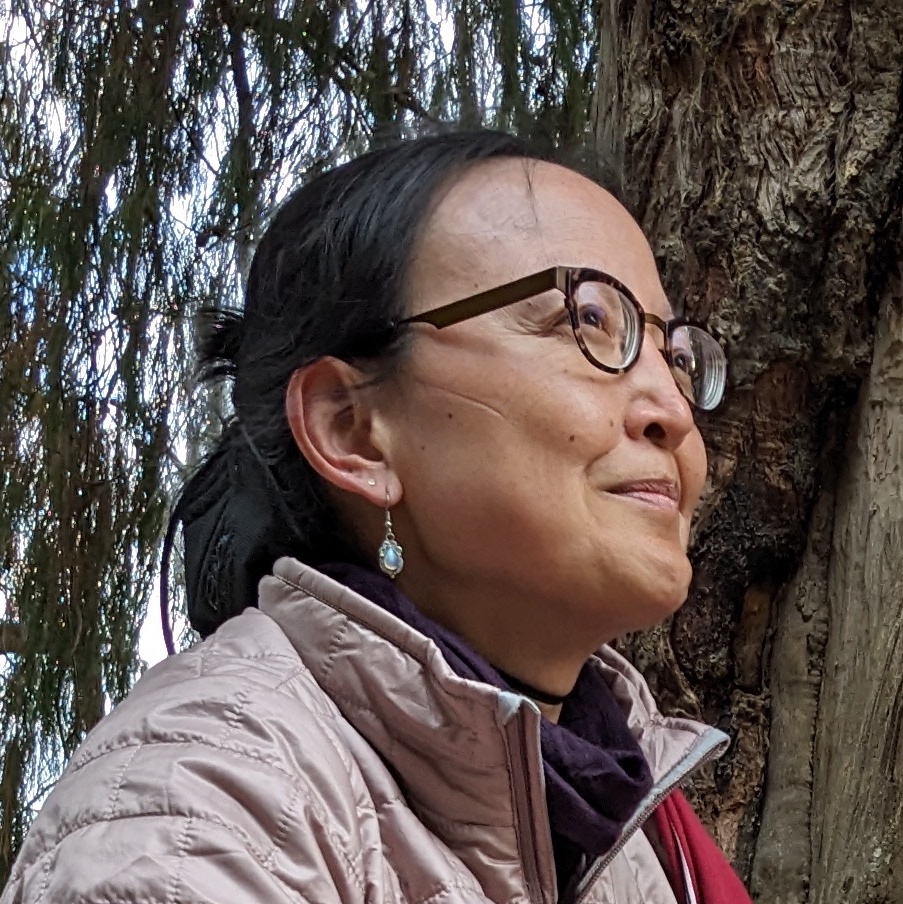
Celeste Young first came to Tara Mandala in 2017 for Kapala I at the invitation of a friend and never looked back. Today she is a student in the Magyu program, an Apprentice Teacher, and serves on the Mandala Committee for the Northern Sierra Sangha. She is a graduate student in the Master of Divinity program at Naropa University in Colorado and hopes to work as a hospice chaplain someday. Celeste also has experience leading global technology teams and startups on projects involving encyclopedias, personalized supplements, worldwide staffing, global marketing, Salesforce, and customer experience strategy. Her superpower is creating structure in chaos, and she particularly enjoys helping people work better together. She received her undergraduate degree in Social Anthropology from Harvard University.
Dorje Lopön Charlotte Rotterdam
Dorje Lopön Charlotte Z. Rotterdam has studied Tibetan Buddhism since the mid 1990’s, was authorized to teach by Lama Tsultrim Allione in 2006. She received the title of Magyu Lopön, lead teacher of Magyu: The Mother Lineage at Tara Mandala from Lama Tsultrim in 2016, and Dorje Lopön, Vajra Teacher, in 2023. Lopön Charlotte teaches in the US and abroad, often in partnership with her husband Pieter Oosthuizen, and co-leads the Boulder Tara Mandala Sangha. Lopön Charlotte received a Masters in Theological Studies from Harvard Divinity School where she studied comparative religion. She served as executive co-director of Tara Mandala for four years, and thereafter as Trustee and Board President. She is currently a board member, and the co-developer of the FYD Online Certification Program. Currently she is an Instructor and Director of the Center for the Advancement of Contemplative Education at Naropa University. The mother of two boys, she has published essays in Mandala, Lion’s Roar Online, Buddhadharma and in an anthology, Fearless Nest. She and her husband Pieter are currently writing a book, Skymind, inspired by the teachings of Machig Labdrön and their application to modern life, forthcoming from Shambhala Publications. www.skymind.us.
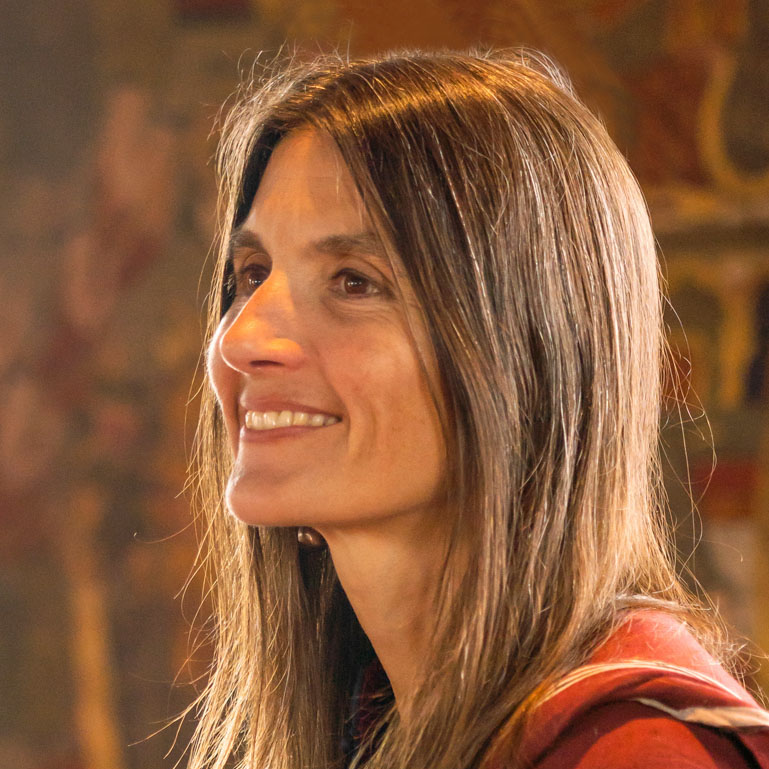
Suki Sohn
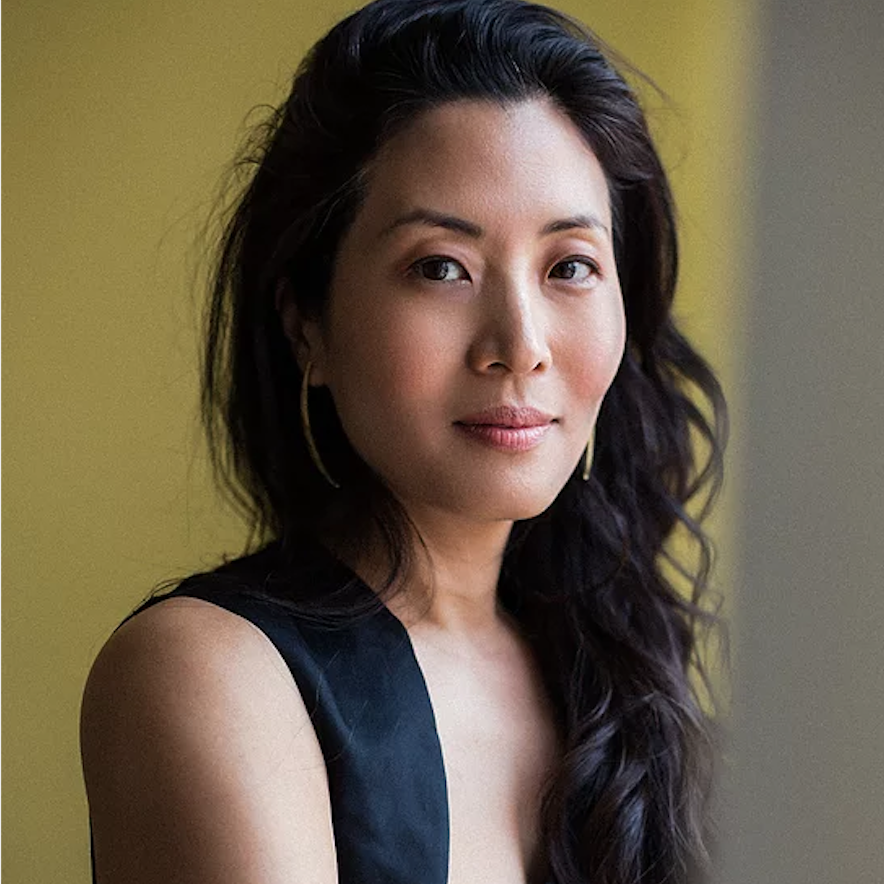
Suki Sohn is an entrepreneur and strategic financial advisor to numerous mission-driven businesses. She first arrived at Tara Mandala in 2016 while writing her book on feminine leadership. Since then, Tara Mandala became her spiritual home and Lama Tsultrim her source of deep wisdom and inspiration. Today she is a student of Magyu and Osel Nyintig programs. She is the founder and CEO of Kiban360, a strategic growth advisory firm focused on establishing financial infrastructure to enable data driven decision making for rapidly scaling businesses. Suki received a B.A. in History at Bryn Mawr College and MBA at INSEAD, France. She lives in Boulder, CO with her husband and two sons.
Dorje Gyaltsab Tulku Ösel Dorje
From his own personal retreat practice, Ösel Dorje has gained a strong appreciation for the importance of developing a deep understanding of the philosophical side of Buddhist study, while bringing it to life through meditation experience. Inspired by stories of realized masters of the past, Ösel Dorje has spent time traveling throughout the Himalayas meditating in the sacred caves and power places of Guru Rinpoche. He has done 4 years of strict retreat, completed five ngöndros (the foundational practices) and the traditional Lama, Yidam and Khandro practices from the Longchen Nyingtig and Ösel Dorje Sangdzod terma cycles. As a wandering yogi, he completed a traditional 108 charnel ground chöd pilgrimage in Ladakh. Throughout his retreats he has been guided by his root teachers Orgyen Khakhyab Lingpa, Sang-ngag Rinpoche, and his mother Lama Tsultrim Allione. He is enthusiastic about Buddhist Philosophy, Tibetan Buddhist history, and biographies of realized yogis and yoginis. He holds a Master’s degree in Buddhist Studies from Kathmandu University and is currently working on a PhD. Ösel Dorje was enthroned as the Dorje Gyaltsab (Vajra Regent) of Tara Mandala in 2019.
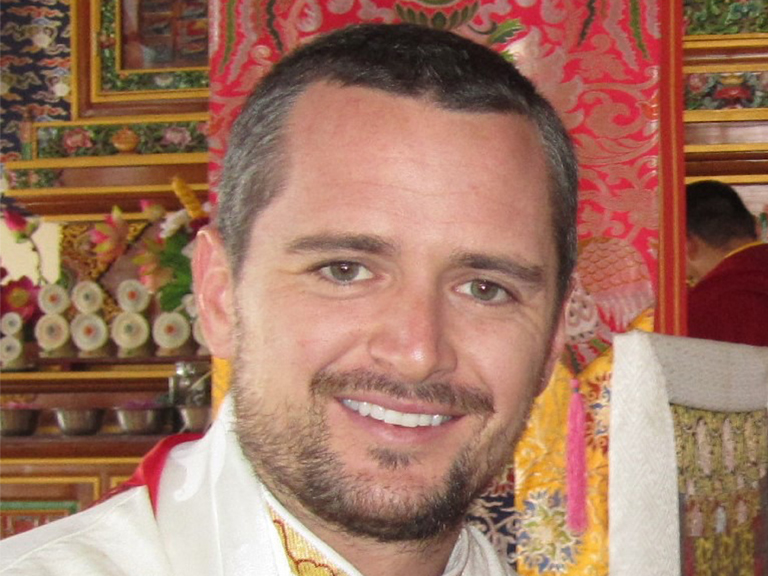
Catherine Bell

Catherine Bell was introduced to Tara Mandala from one of her mentors, Dr. Beth Hedva, in 2020. She was immediately magnetized. She is currently in the Magyu and Ösel Nyingtig Programs.
Catherine Bell is the Founder and Author, of The Awakened Company.
Catherine helps organizations create healthy corporate cultures through executive coaching, team strategy sessions, team facilitation, speaking, and online webinars. She is an award-winning Profit 500 Founder, serial entrepreneur and best-selling and award-winning author. Catherine has an MBA from the Smith School of Business at Queen’s University, a sociology degree from Western University, is certified in the Enneagram, and is a certified yoga instructor. She was a Jarislowsky Co-Fellow at the Haskayne School of Business at the University of Calgary.
She also has a certificate in the Not-for-Profit Board Essentials from the Institute of Corporate Directors. She has sat on the Boards of the Distress Centre and Open to Grow. She currently advises to the Science Centre and Impact Society. As well, she founded The Awakened Project, a fund to help females get out of poverty by starting their own organizations.
She is currently working on a book on the Enneagram and Creativity with Russ Hudson.
Chögé Lisa Erickson
Lisa Erickson is a Chögé, meaning ‘virtuous teacher of dharma’, in Tara Mandala’s Teacher’s program. She is a certified Feeding Your Demons facilitator and teacher, and offers frequent Feeding Your Demons daylong workshops, as well as incorporating it into her private session work as an energy worker. Lisa has been part of Tara Mandala’s Magyu program since its inception, and is currently a Kalyanamitra, or mentor, in the program. Lisa coordinates and offers Prajna Paramita and Chod practice through the South Bay Los Angeles Tara Mandala sangha, and Dakini mandala and Feeding Your Demons practice through Tara Mandala’s online Aging and Illness in the Dharma sangha. Lisa is co-direcror for the Mandala Method Certification Program, teaching in the mandala courses and co-leading the Certification training process.

Lisa is also certified in mindfulness meditation instructions, trauma sensitivity, and multiple energy healing modalities. In her private practice she is an energy worker specializing in women’s energetics, life transits, and sexual trauma healing, and has published two books through Llewelllyn Publishing on these topics. She is a practitioner with The Breathe Network, a non-profit dedicated to supporting holistic healing and healers for sexual trauma survivors. Lisa worked for 15 years in the technology industry as a programmer and project manager, and brings this experience to her current endeavors.
Tara Mandala Upaya Council
The Upaya Council is comprised of the Executive Director, a Spiritual Director, and current board members. The purpose of the council is to provide support and advice to the Executive Director and help resolve issues that arise in either the running of Tara Mandala or the community. The Executive Council is also a place where new ideas and policies are vetted before going to the Board of Directors for formal consideration.
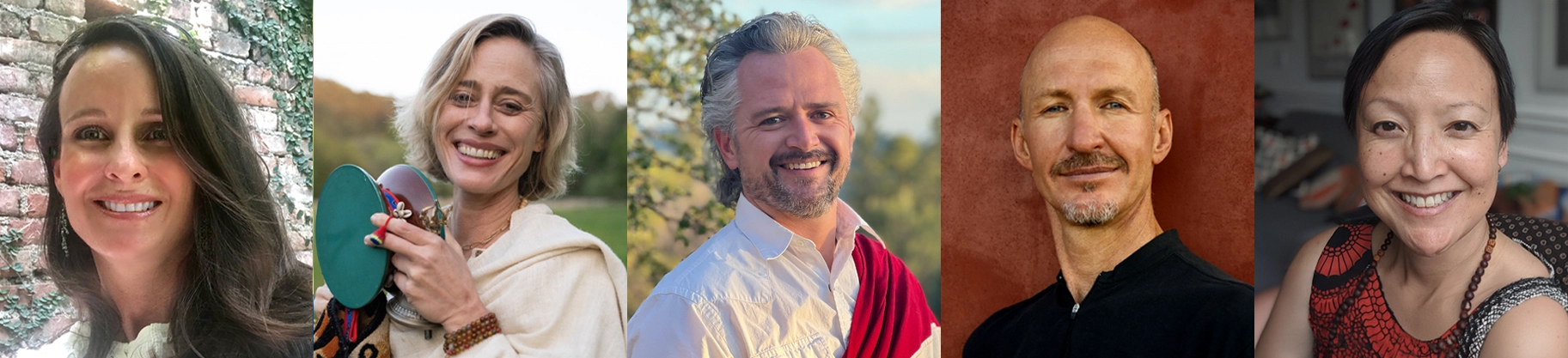
Tara Mandala Directory
Spiritual Direction

Lama Tsultrim Allione
Spiritual Director & Resident Lama
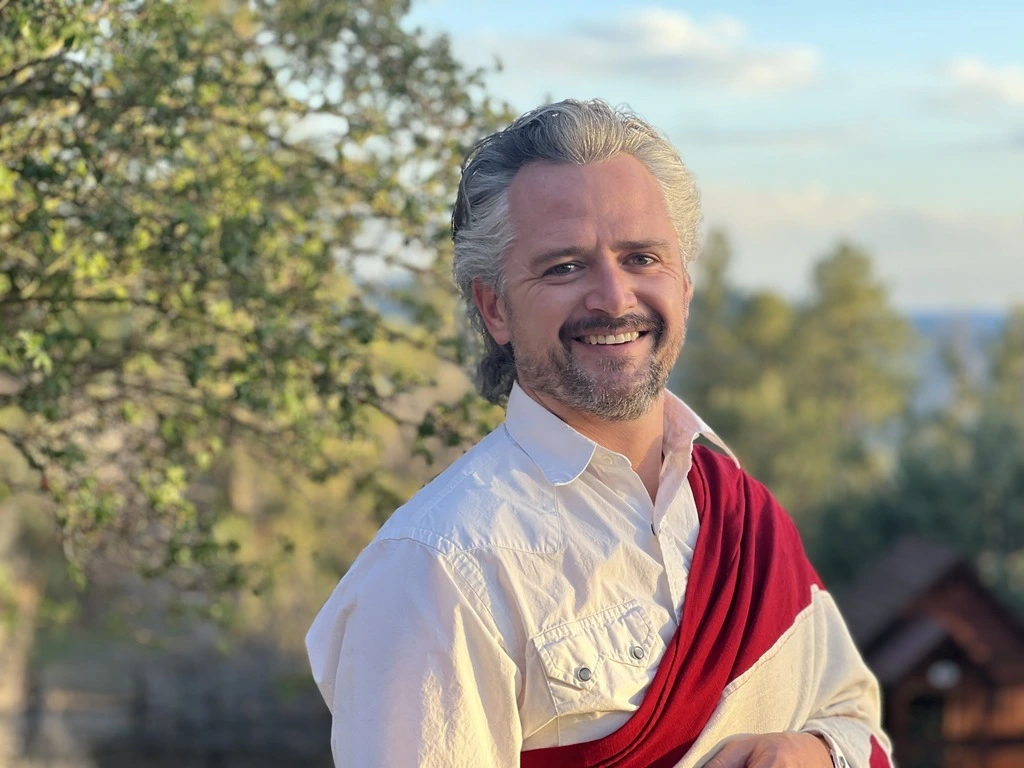
Dorje Lopön Dorje Gyaltsab Tulku Ösel Dorje
Board Member
Resident Lama
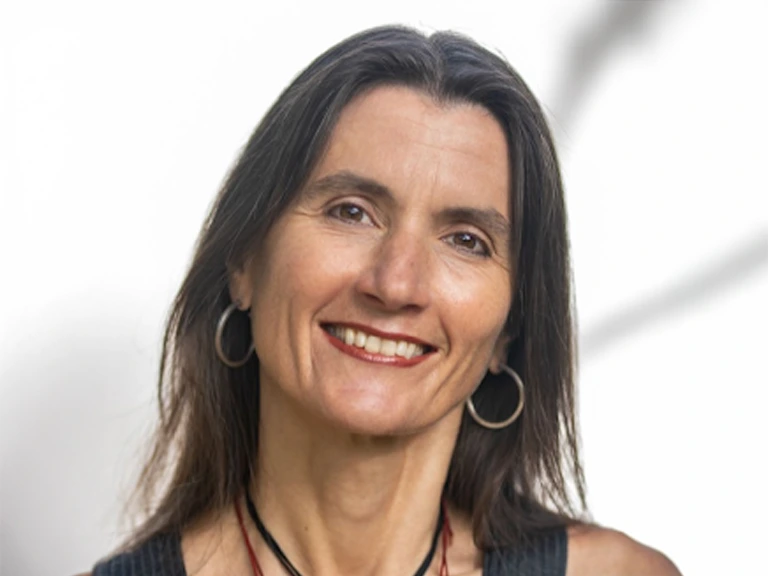
Dorje Lopön Charlotte Rotterdam
Head of Magyu Program
Magyu Dorje Lopön
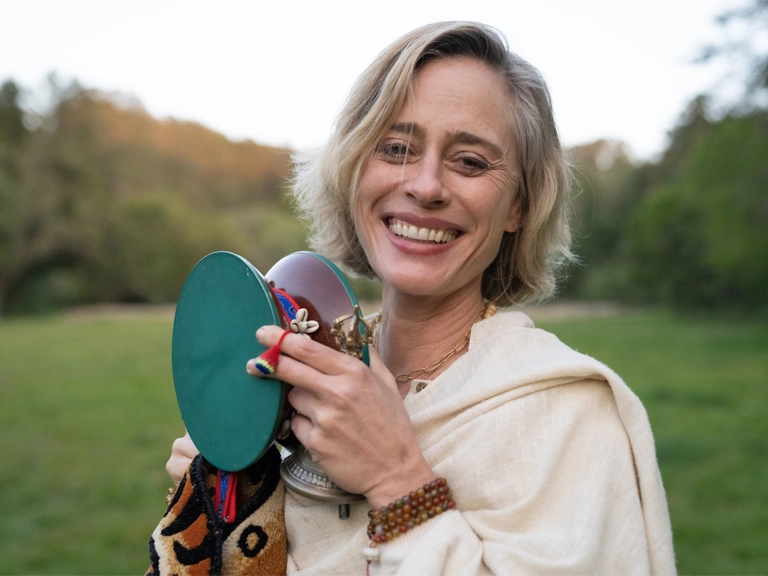
Dorje Lopön Chandra Easton
Assistant Spiritual Director & Head Teacher
Gateway Lopön
Tara Mandala Staff
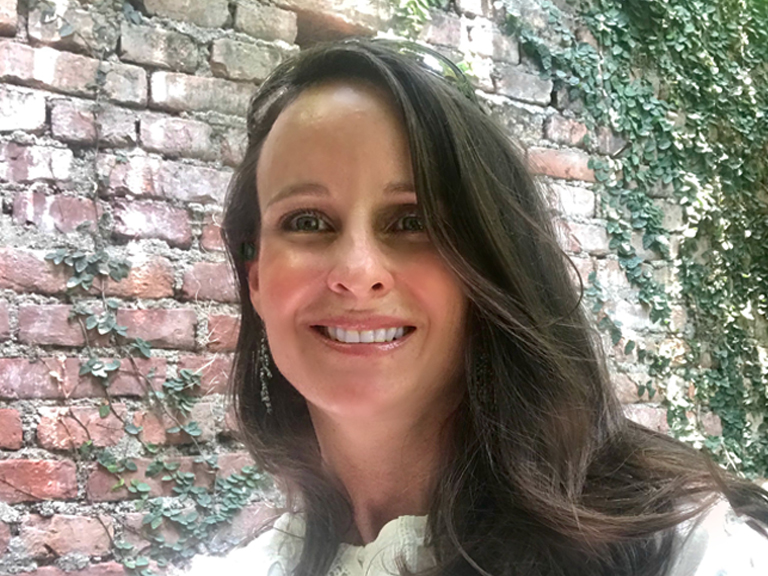
Cady Allione
CEO/Executive Director
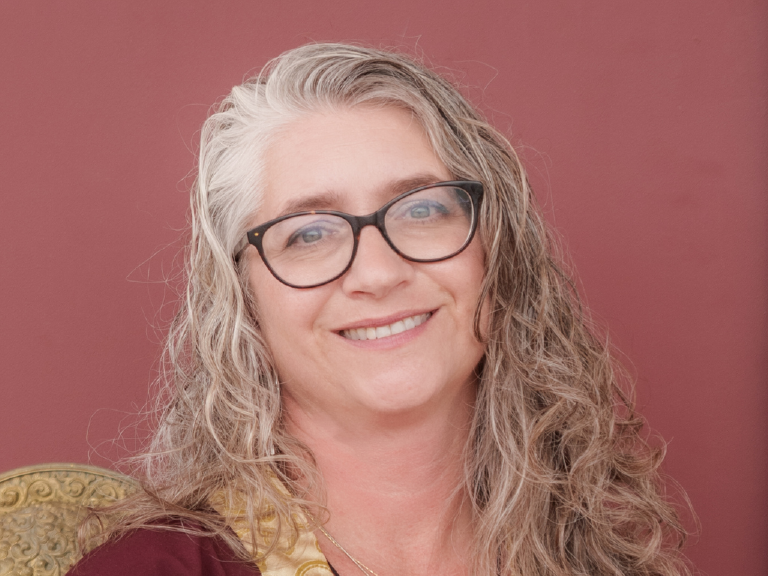
Jennifer Fahey
Chief Operating Officer

Anna Raithel
Chief Programs Officer/Head Chöpön
Linda Cervantes
Chief Financial Officer
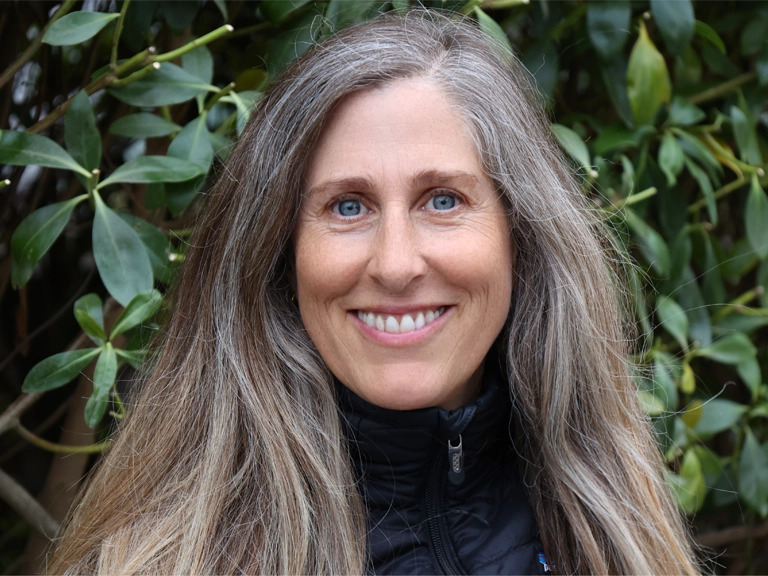
Mia Castle
Retreat Center Director
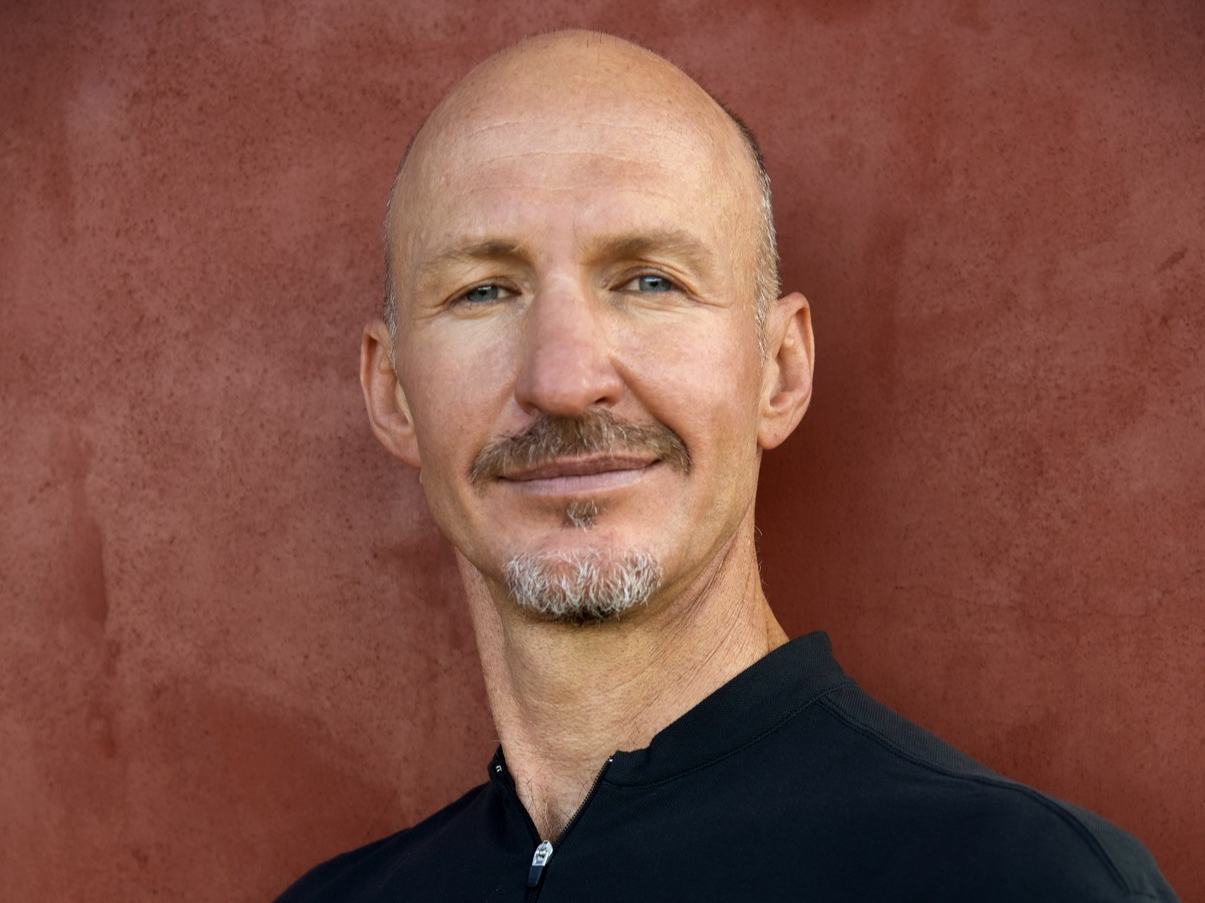
Lopön Pieter Oosthuizen
Director of FYD Institute
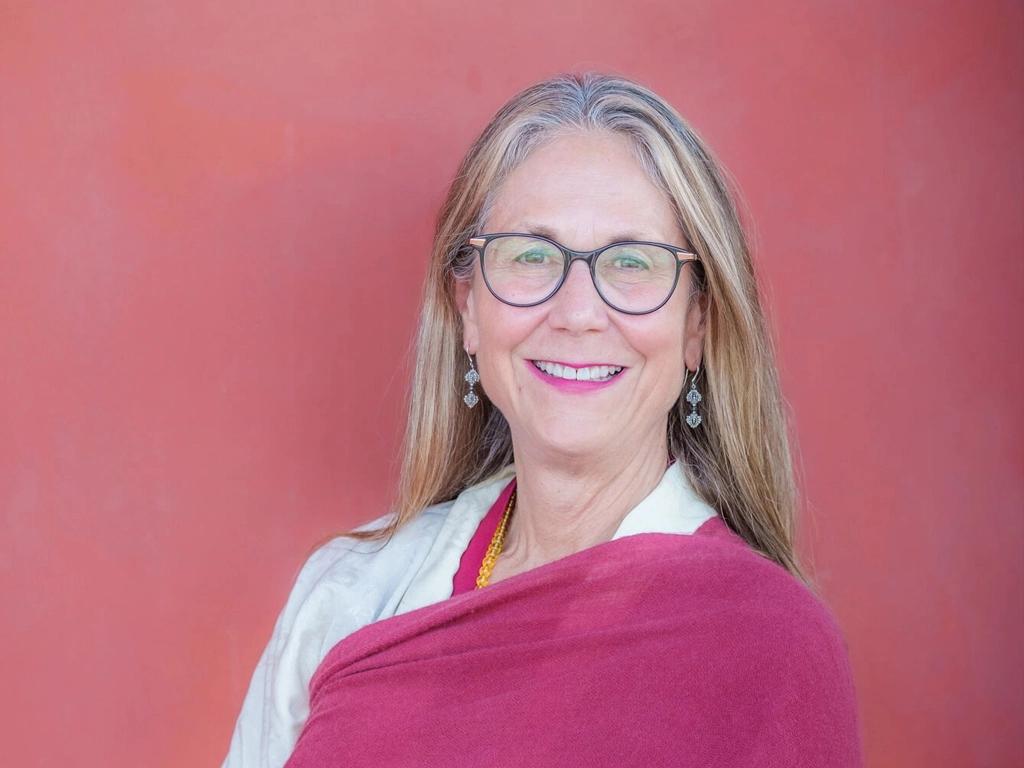
Polly Ryan
Director of Teacher Development
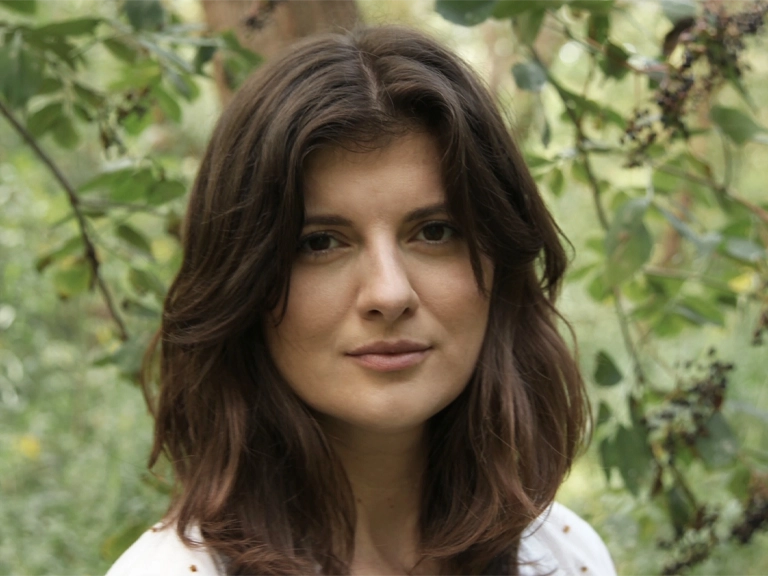
Drimé
Online Community Director
Khandro Noble
Head of Registrar Office
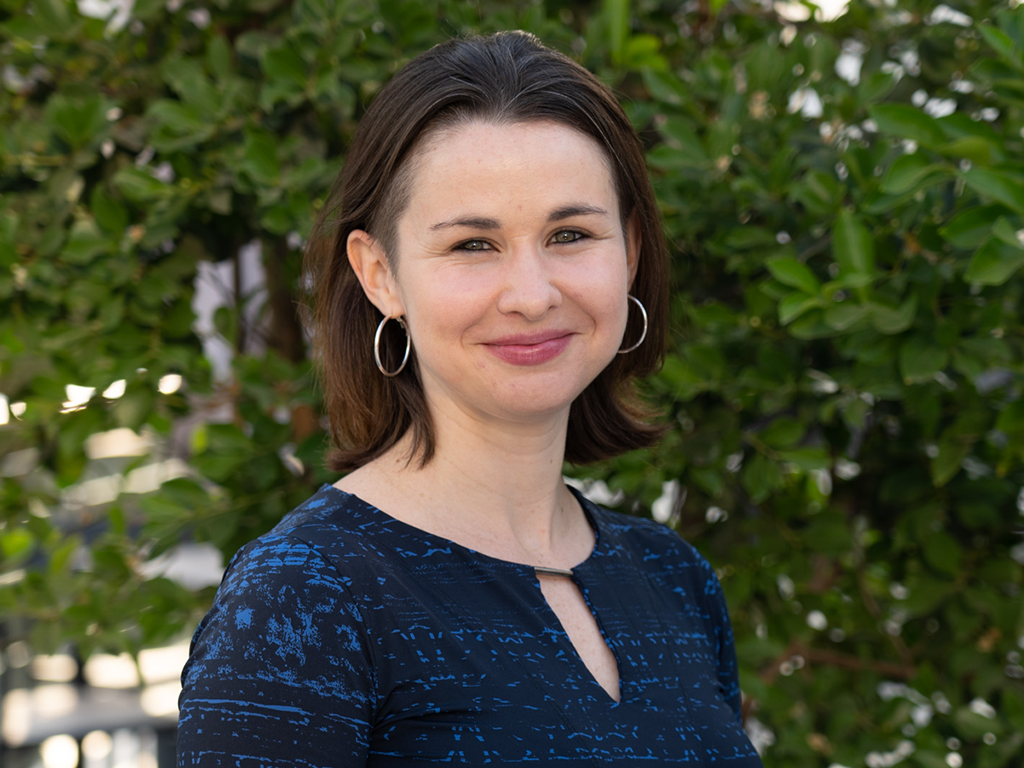
Sarah Mitchell
Director of Development
Jesse Reynolds
Marketing Director
Caitlin Dodd
Communications Manager
Ben Tse
Director of IT Project Management
Eric Scott
People Services Manager
Adam Borcherdt
Land & Facilities Manager
Pawo Dorje
Online Programs Host
Angela Pabich
Fundraising Manager
Sarah Thompson
FYD Consultant and Training Support
Heather Wenrich
Retreat & Personnel Manager
Erik Andersson
Programs Team Support
Clinton Spence
Video Library Manager & Curator
Nora Bianchi
Magyu Coordinator
Lopön Ellen Church Booth
Network Kalyanamitra
Paula Aranibar
Online Programs & Mandala Method Coordinator
Jean Carroll
Lama Live! Coordinator
Jack Cleary
Social Media and Online Programs Support
Josh Brownlee
Archivist
Joshua Trembly
Maintenance Staff
Dechen
Lead Graphic Designer
Colleen Russell Criste
Fundraising Strategist
Lizzy Hoke
Programs Team Support
Kate Goodnight
Ritual Arts Curator
Carolyn Gregoire
Editor in Chief of Machig Publications
Marquita Ochoa
FYD Program & Marketing Manager
Gina Nayao
Finance Associate
Donato Panaccio
Ösel Nyingtig Coordinator & Audio/Video Editor
Martha Pierce
Consultant
Tenzin Sangpo
Temple Manager (Librarian/Translator)
Matthew Shearing
Social Media & Lama Live! Support
Brigitte Harden
Lama Live! & Marketing Coordinator
Daniele Vargas
Online Program Coordinator & Texts Support
Dana Fabbro
Digital Content & UX Architect
Nicholas Bent
Maintenance Staff
Sabine Wurst
Osel Nyingtig Graphic Design
Eliot Riedel
Retreat Center Support
Iwona Khandro
Global Sangha Coordinator
Kate Greer Dickson
Retreat Manager
Jennifer Sangye
Retreat Manager
Pema Marcello
Online Programs Host
Main Office Line
970-731-3711
Dakini Store
970-731-3711, ext 103
Community Building Kitchen
970-731-3711, ext 115
Community Phone
970-731-3711, ext 102