
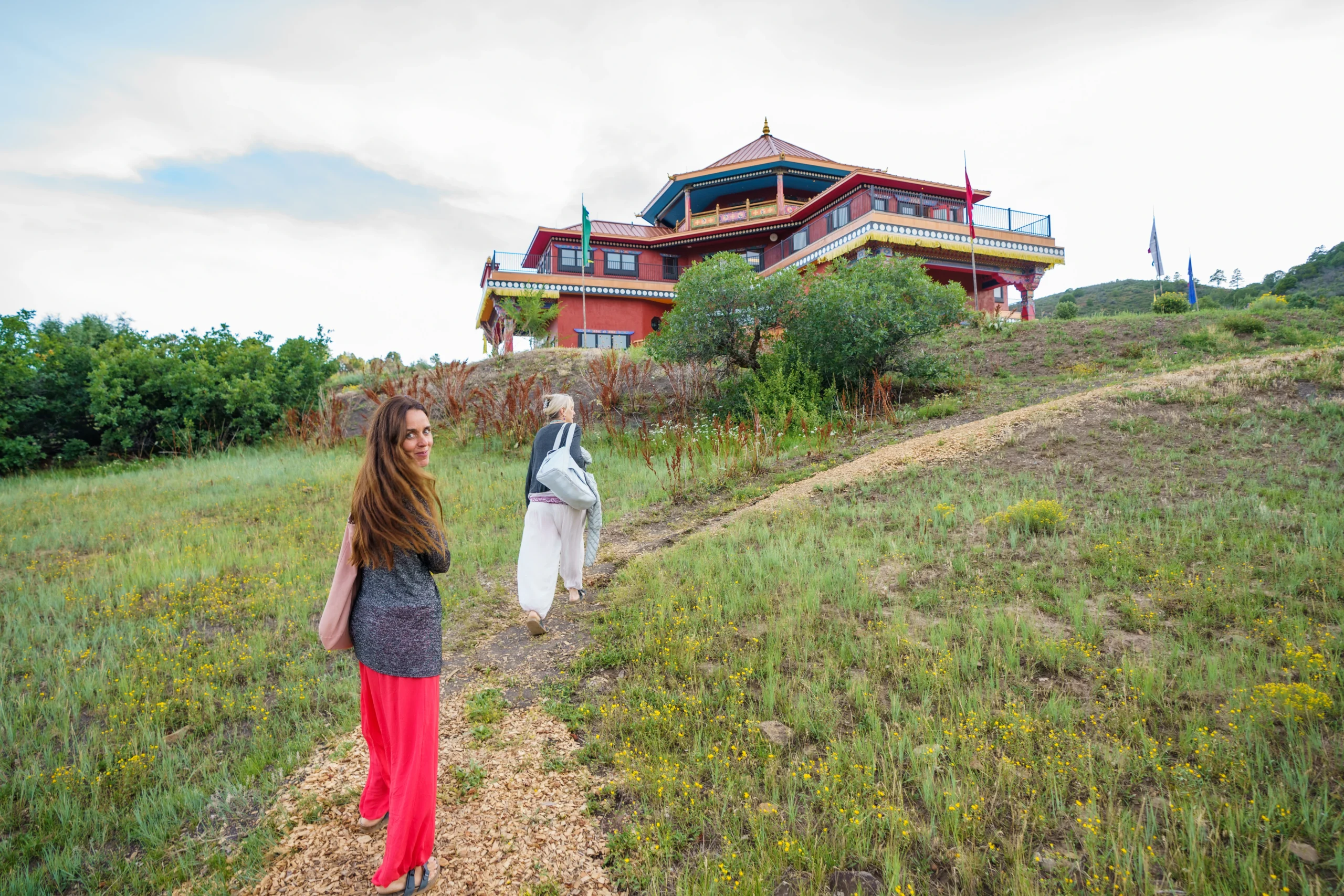
Tara Mandala Retreat Center is a Tibetan Buddhist retreat center near Pagosa Springs and Durango in the San Juan Mountains of Colorado. Nestled on 700 acres of forested land, it offers a sacred place for spiritual renewal, meditation, and Buddhist practice. Tara Mandala provides two main ways to participate: onsite retreats at the Colorado mountain center and online programs accessible from anywhere in the world.
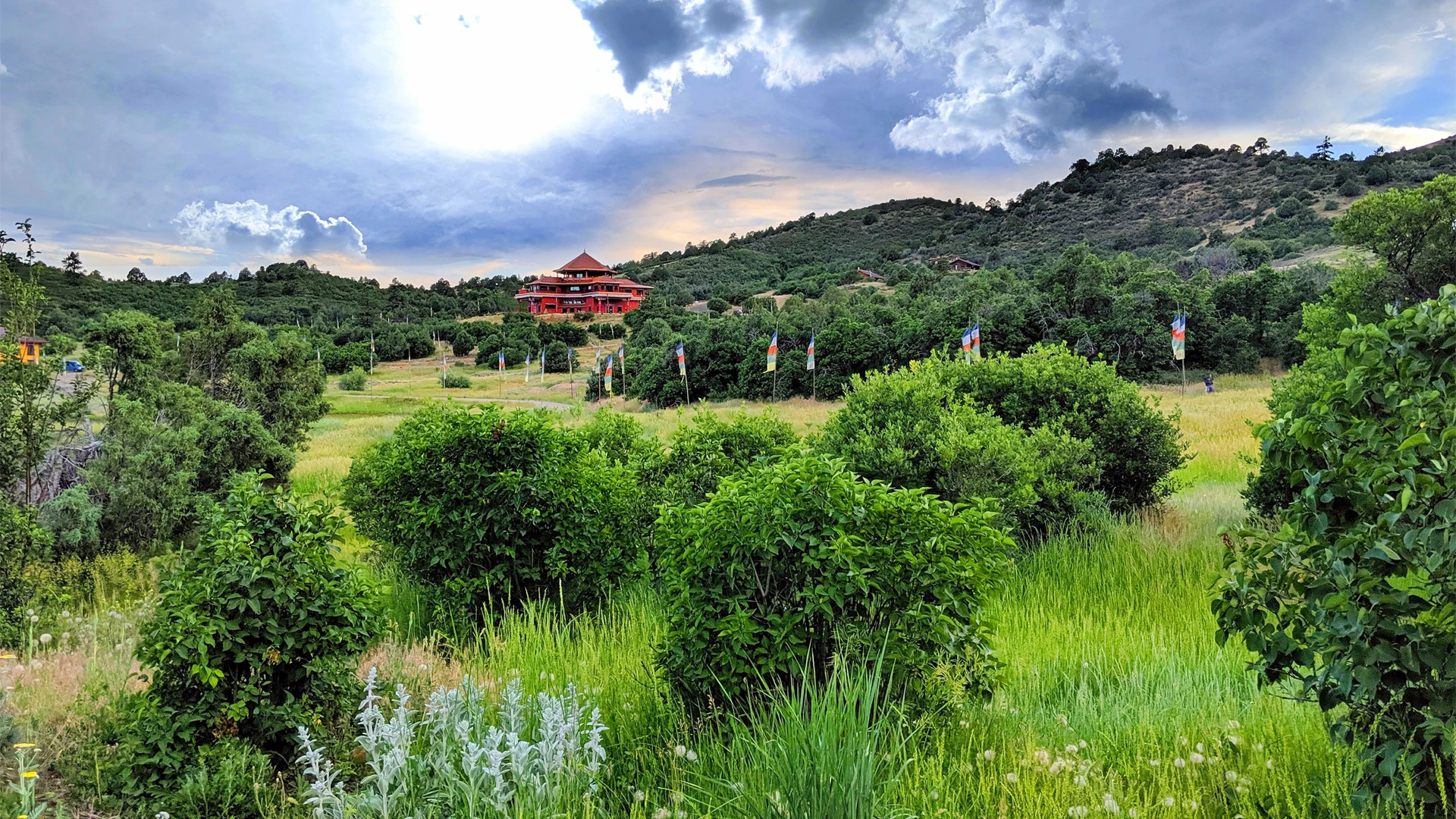
Whether you are new to retreat or returning for deeper practice, this page offers a clear overview of what to expect at Tara Mandala. You will find information about retreat types, meditation practices, teacher support, virtual retreat preparation, and the Share the Dharma Initiative. This Buddhist retreat center near Durango is designed for both beginners and experienced meditators seeking a quiet, supportive environment.
What Types of Retreats Does Tara Mandala Offer?
Tara Mandala offers a range of retreat experiences, including residential retreats, solitary retreat cabins, open houses, online courses, and community‑based practice opportunities. Each format supports different levels of engagement, from introductory meditation to advanced Vajrayana practice in the Tibetan Buddhist tradition.
These offerings create a flexible path for students at different stages of their journey. Some retreats emphasize silence and intensive
practice, while others focus on community connection, teachings, and accessible entry points into meditation and Buddhist study. Tara Mandala is a destination for Buddhist retreats in Colorado, as well as for those seeking online Buddhist programs worldwide.
Residential Retreats
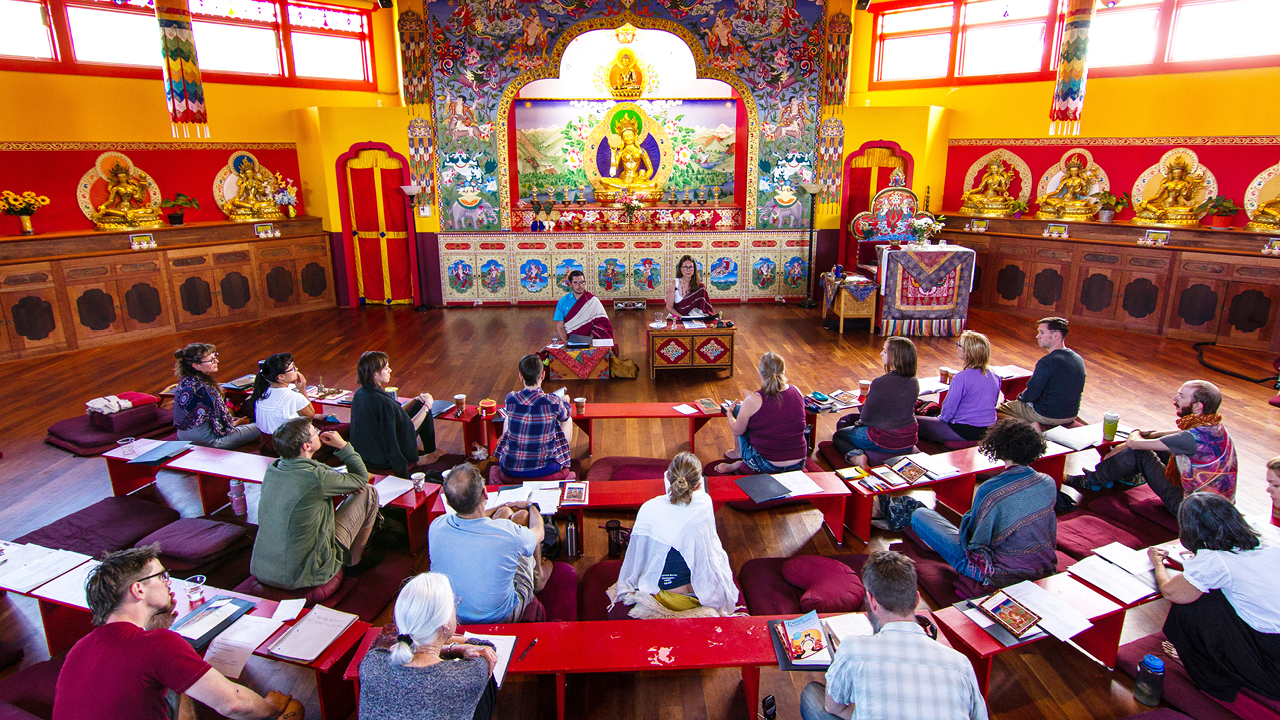
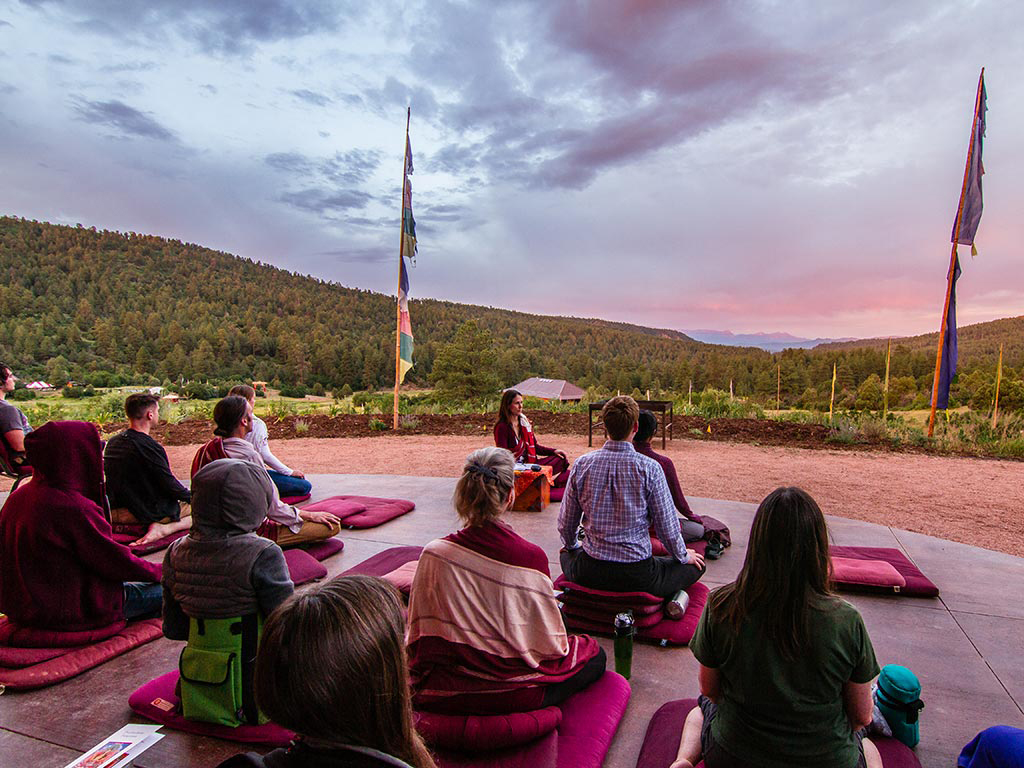
Residential retreats at Tara Mandala offer a caring group container for intensive meditation, Buddhist study, and personal transformation. Retreats often include teachings on practices such as Feeding Your Demons and Mandala Training, both developed by Lama Tsultrim Allione in the Tara Mandala lineage.
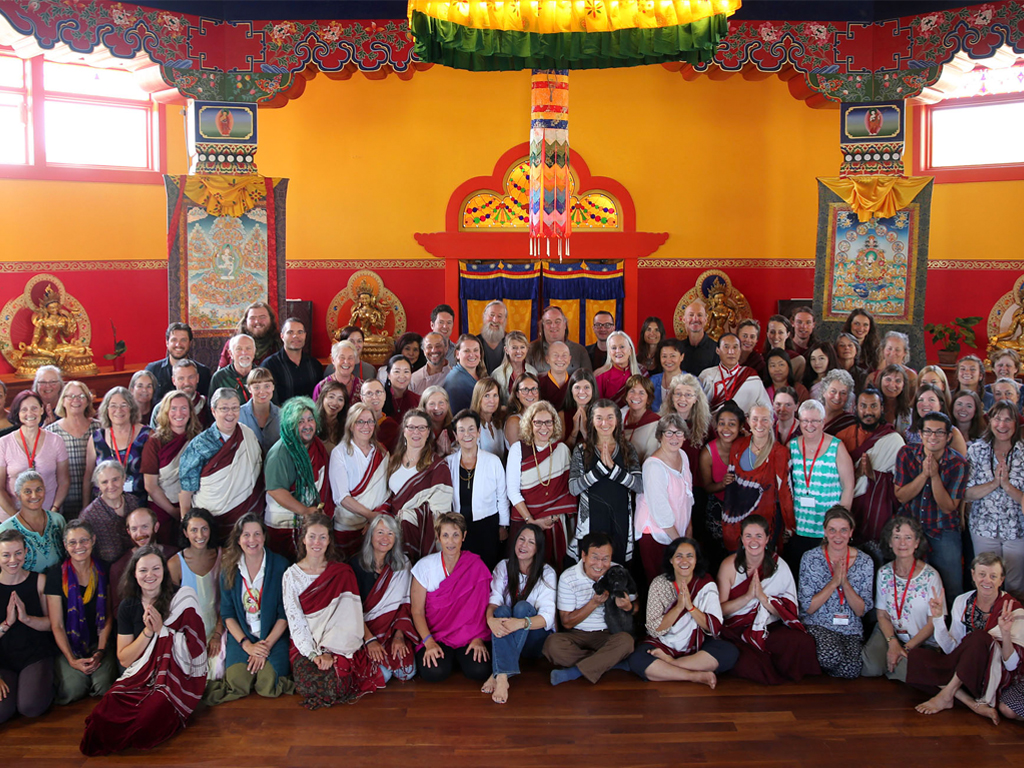
Most residential retreats include between 10 and 70 participants. Silence is often held for part or all of the retreat, allowing the body to settle, the mind to clear, and insight to develop more naturally. In this quiet environment, practice becomes more focused and supportive.
Retreats are led by Lama Tsultrim Allione and/or her Senior Teachers, as well as guest teachers from the wider community. Teachers offer instructions, Dharma talks, and regular practice meetings throughout the retreat. Group work and discussion may also be part of the experience.

Is Tara Mandala Suitable for Beginners?
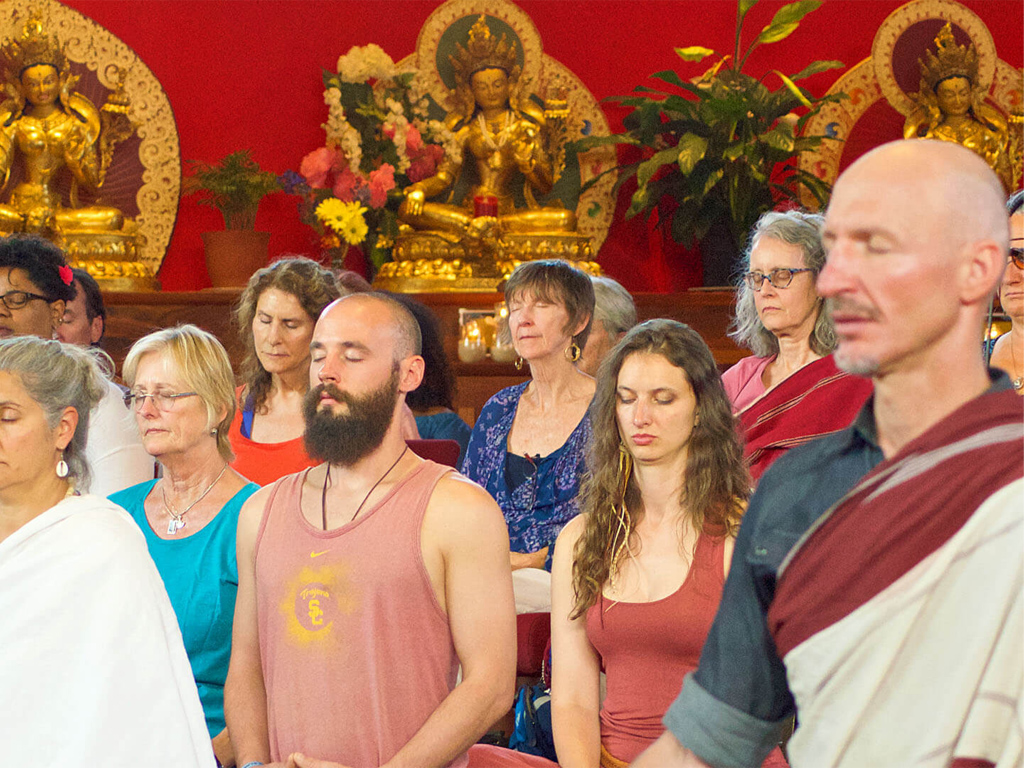
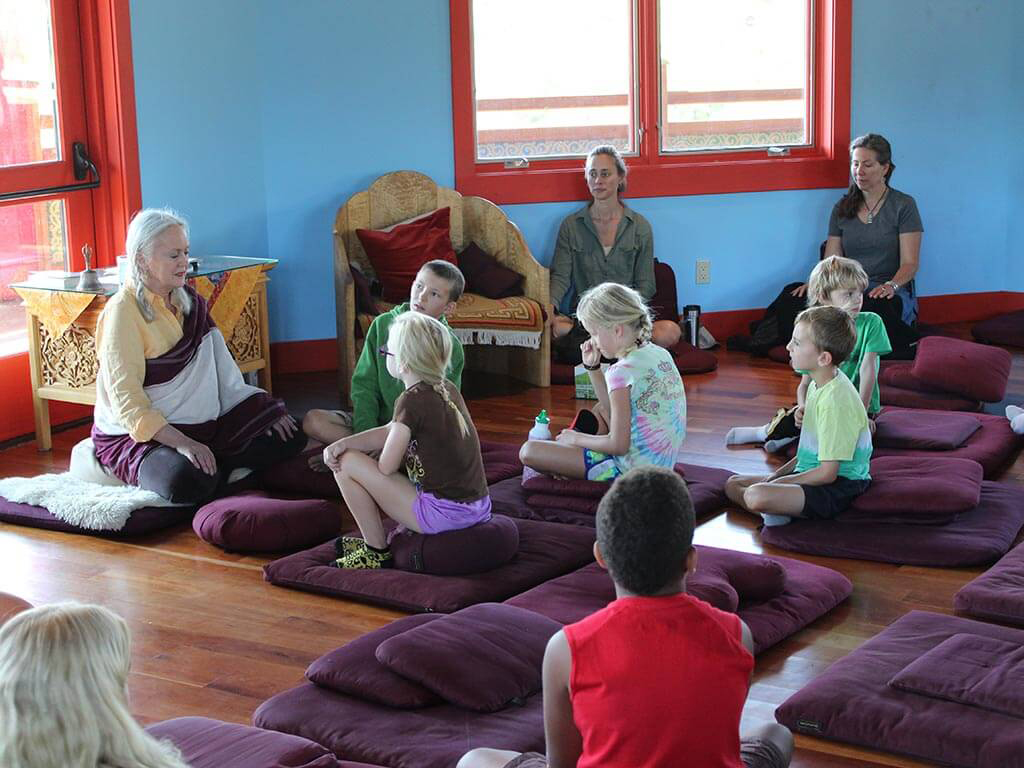
Yes. Tara Mandala welcomes both new and experienced meditators. Many retreats are designed so that beginners can learn basic meditation techniques while more experienced practitioners can deepen their practice. You do not need to be Buddhist to attend a Tara Mandala retreat.
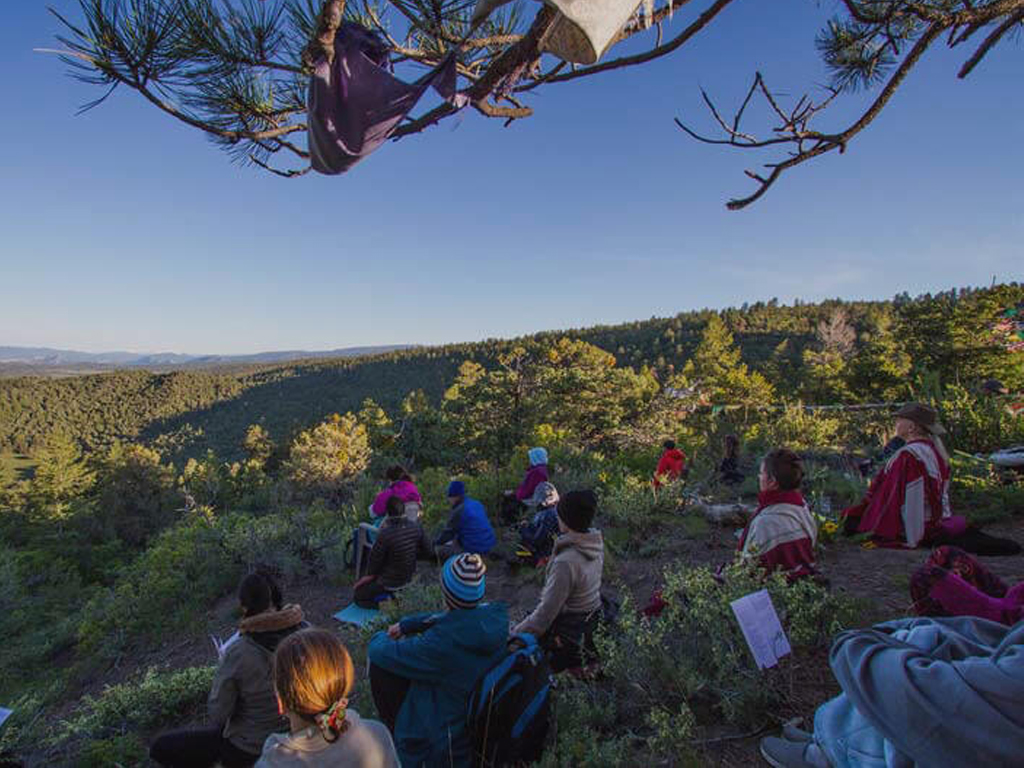
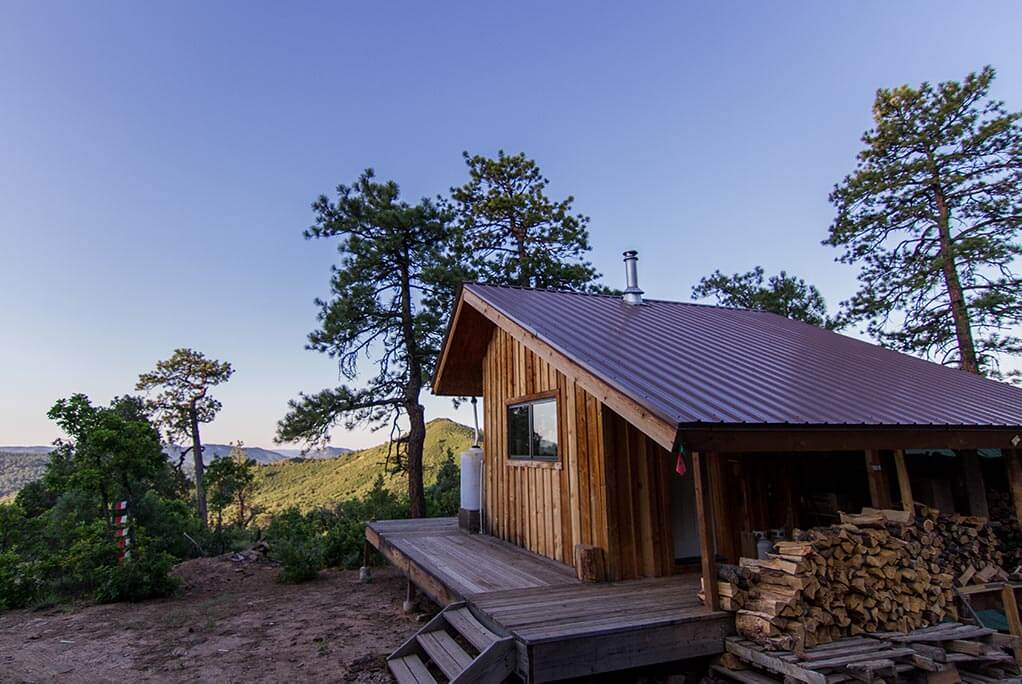 Photo credit: Josh Brownlee
Solitary Retreat Cabins
For those who seek deeper seclusion, Tara Mandala offers retreat cabins in a remote mountain setting. These cabins provide privacy, wide views, and the space to practice without the usual pace and distractions of daily life.
Our three year‑round cabins were created through the generosity and hard work of many people. Each cabin offers room for meditation, yoga, and other movement practices, making them well-suited for weekend retreats, month‑long retreats, or longer stays.
Find out more details on amenities and book a solitary retreat cabin now →
How to Find a Buddhist Retreat Near Durango or Pagosa Springs
Tara Mandala is a Buddhist retreat center near Pagosa Springs, Colorado, in the San Juan Mountains. It is one of the main Tibetan Buddhist retreat centers serving the Durango region and the Southwest. Those searching for meditation retreats in Colorado or “Buddhist retreat near Durango” often arrive at Tara Mandala’s residential retreats or solitary cabins.
Online Offerings
If you cannot come to Tara Mandala in person, our online programs bring the Dharma to you. These programs are designed to expand access to Buddhist teachings for people around the world, whether they are brand new to practice or have many years of experience.
Online offerings include video and audio teachings, practice support, and home practice instructions. Programs range from Lama Tsultrim’s Feeding Your Demons teachings to practices such as Chöd and Green Tara. Virtual retreats and online courses are part of Tara Mandala’s broader mission to make Buddhist practice accessible beyond the Colorado retreat center.
Learning Dharma Practitioner
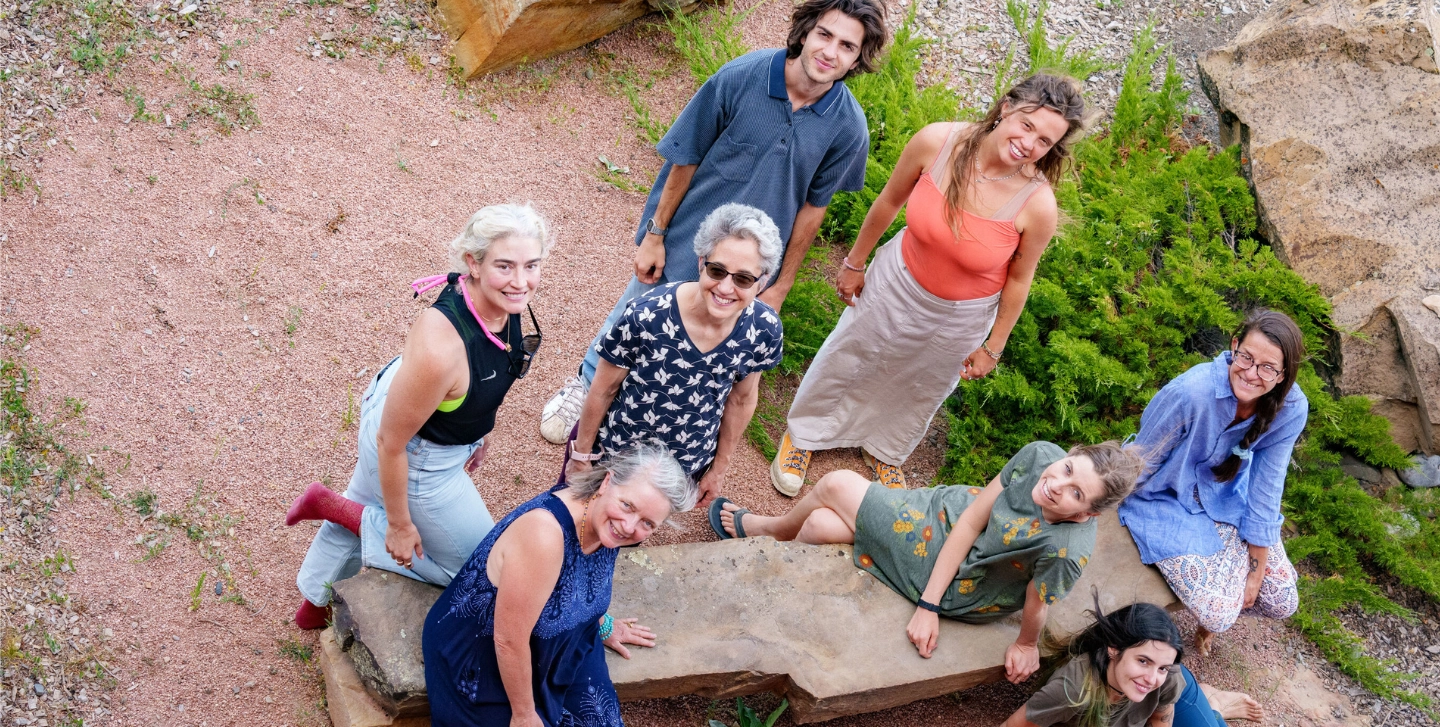
Tara Mandala’s volunteers come as Learning Dharma Practitioners in a summer of service designed to help meditation practitioners deepen their understanding of Vajrayana Buddhist practice. It welcomes people of all backgrounds and experience levels and offers a powerful, hands‑on way to engage with the path.
Tara Mandala is one of the few practice places in the world where the lineage of Machig Labdrön, an emphasis on the Sacred Feminine, and
the compassion of the 21 Taras are central to the practice mandala. Volunteering as a Learning Dharma Practitioner brings all of this to life in a transformative week, or longer, experience at the Colorado retreat center.
Local Practice Groups and Global Sangha
Tara Mandala has more than 40 global sangha centers in 13 countries. These local practice groups offer teachings, retreats, online courses, local practice sessions, and individual support. Each group is led by an appointed facilitator and Senior and Apprentice Teachers in Lama Tsultrim’s lineage.
These communities help extend the reach of practice beyond the Retreat Center, making it easier to stay connected wherever you live. Whether you are searching for a Tibetan Buddhist sangha in your city or a local practice group tied to a Colorado retreat center, Tara Mandala’s sangha network can help you find support.
Why Come on Retreat?
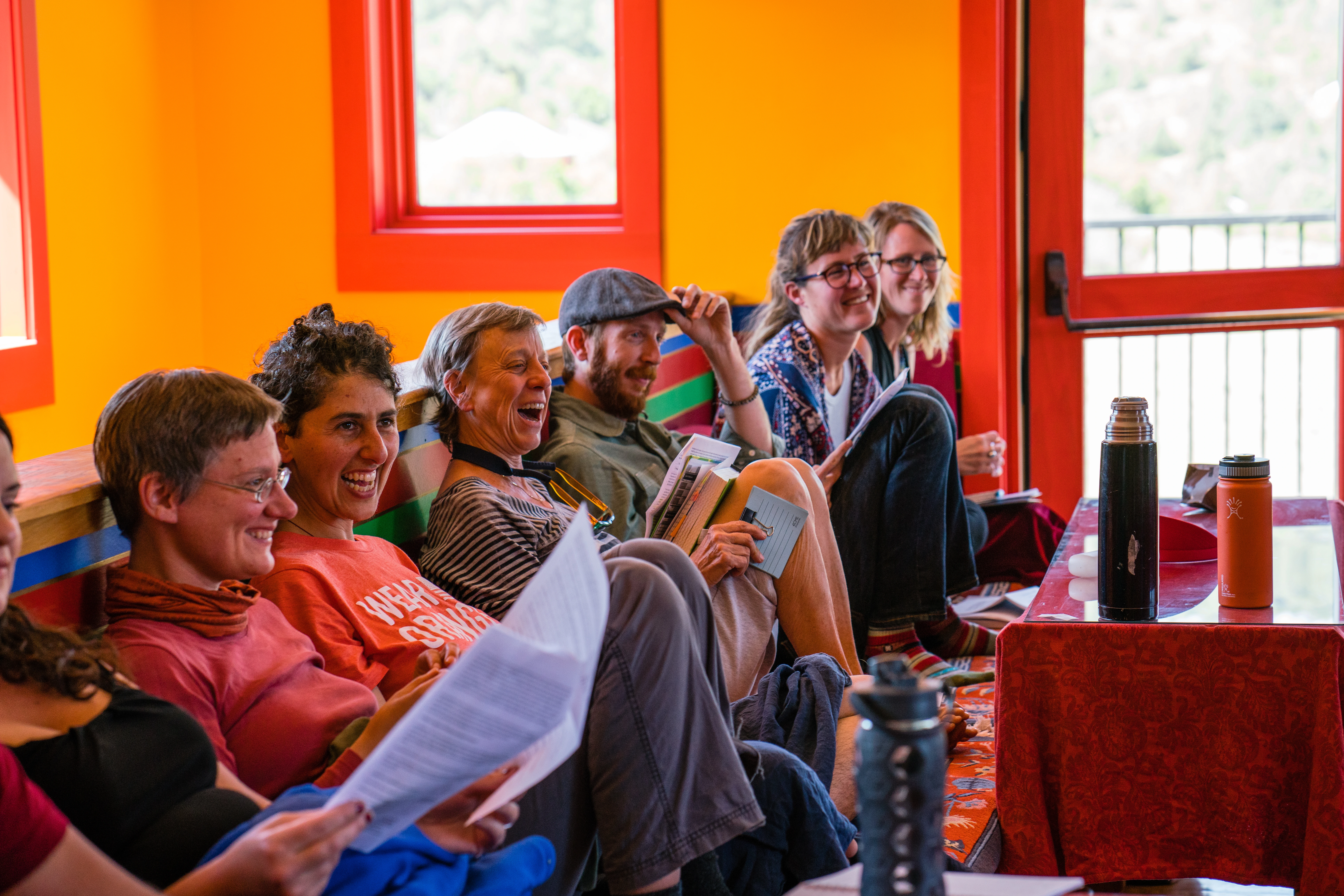
Retreat gives us space to slow down, turn inward, and remember what matters most. The word retreat comes from the Latin root meaning “to pull back,” and that is exactly what retreat invites us to do. We step back from the demands of daily life so that we can gather our energy and direct it toward practice, reflection, and renewal.
At Tara Mandala, retreat also offers spaciousness and inspiration. The beauty of the Colorado land, the rhythm of silence, and the support of community help create an environment where practice can deepen. Many participants find that retreat restores clarity, renews motivation, and helps them return home with a stronger sense of purpose.
How a Residential Retreat Works
Since the time of the Buddha, retreat has been an essential part of the Buddhist path. It offers a break from ordinary routines so that deeper practice can unfold. At Tara Mandala, residential retreats combine pristine mountain surroundings, silence, and close guidance from teachers.
Retreats are suitable for both new and experienced students. Beginner meditation techniques may be introduced, while more advanced practices are supported as well. Daily teachings, practice sessions, and the retreat container itself all work together to support insight, clarity, and inner freedom.
Sitting Meditation
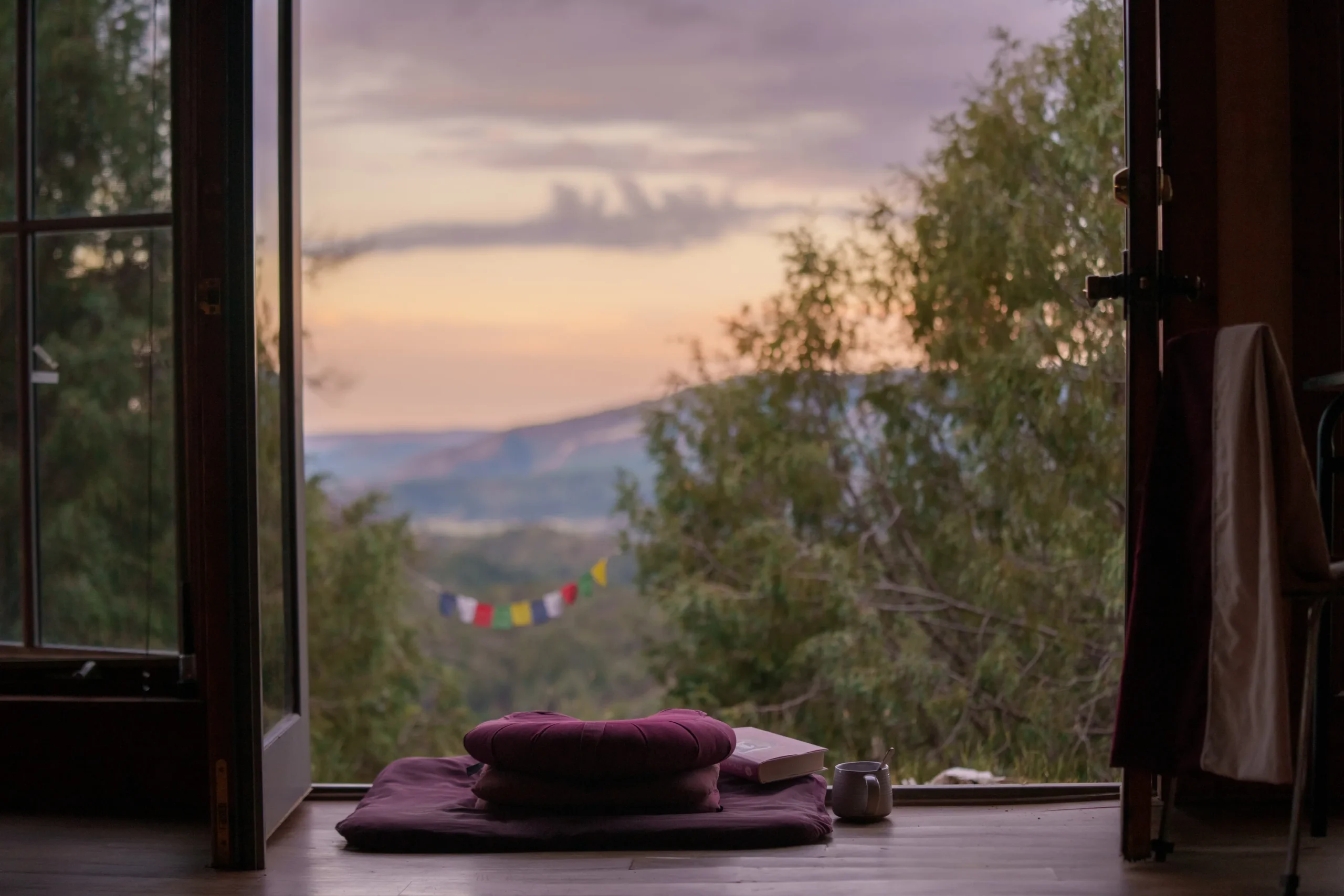
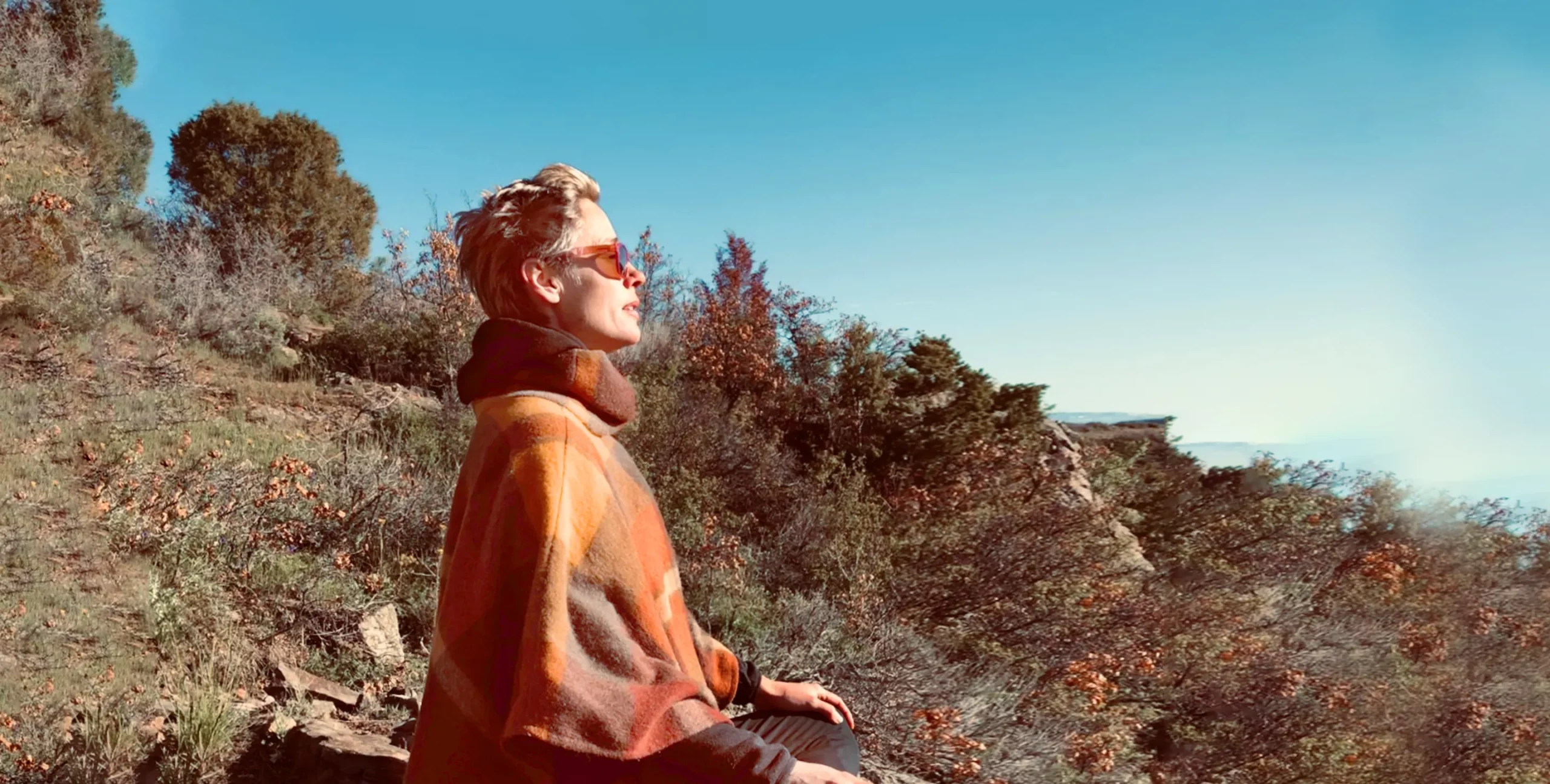
Sitting meditation lies at the heart of retreat. In sitting practice, silence and stillness help concentration deepen and awareness expand. As the heart and mind steady, kindness and compassion begin to grow naturally.
Beginning meditators are often encouraged to use the breath as a focus for mindfulness. The arising and passing of the breath reveal impermanence directly and simply. As practice develops, awareness gradually opens to include body sensations, emotions, thoughts, and the nature of mind itself.
Walking Meditation
Walking meditation is another essential Buddhist practice, especially during retreat. Just as sitting meditation brings attention to the breath, walking meditation brings attention to the sensations of the body in motion. It invites mindfulness into activity.
At Tara Mandala, retreatants are also encouraged to hike more leisurely and mindfully, allowing practice to extend into the natural world.

Vajrayana: Tantric Meditation, Visualization, and Ritual
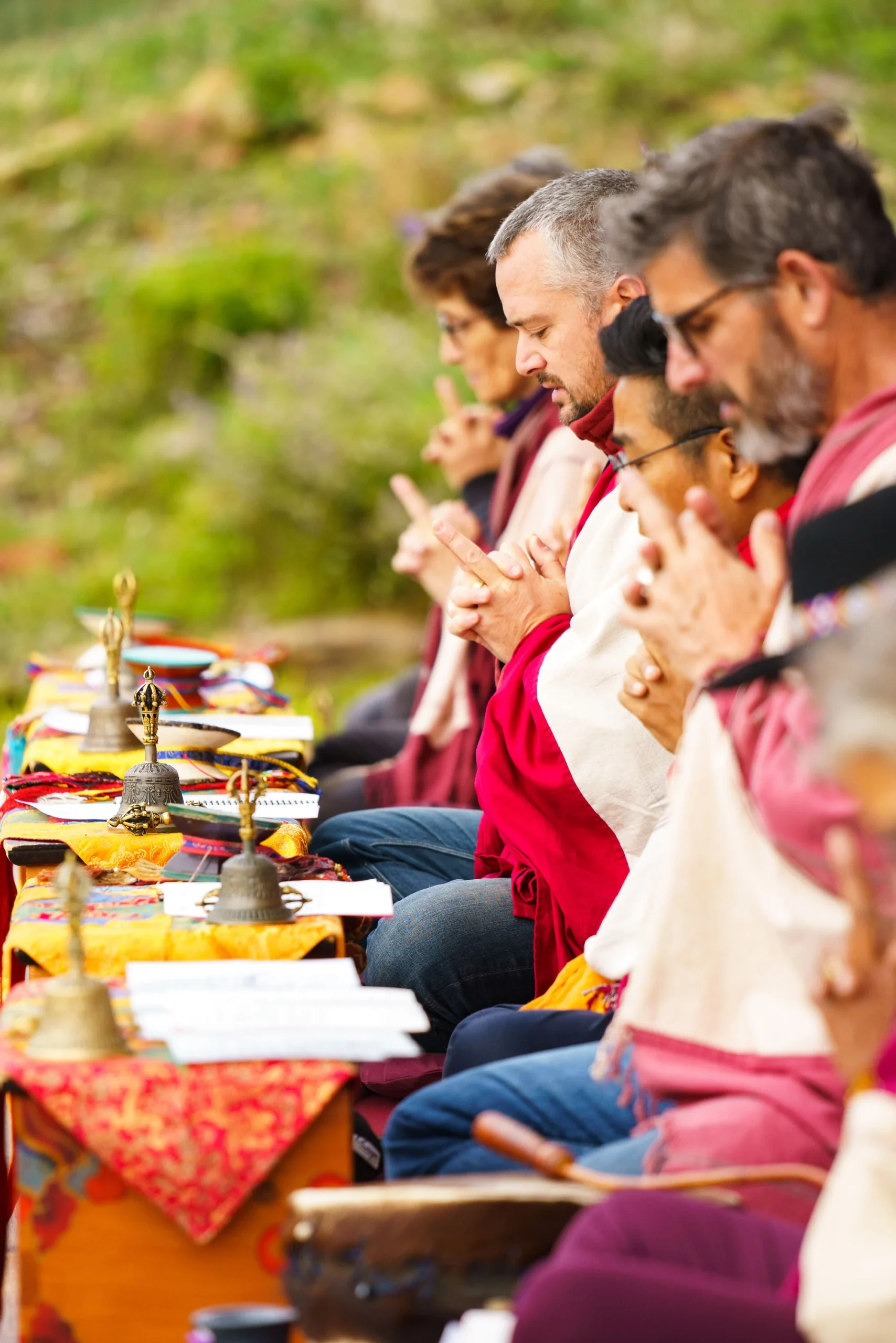
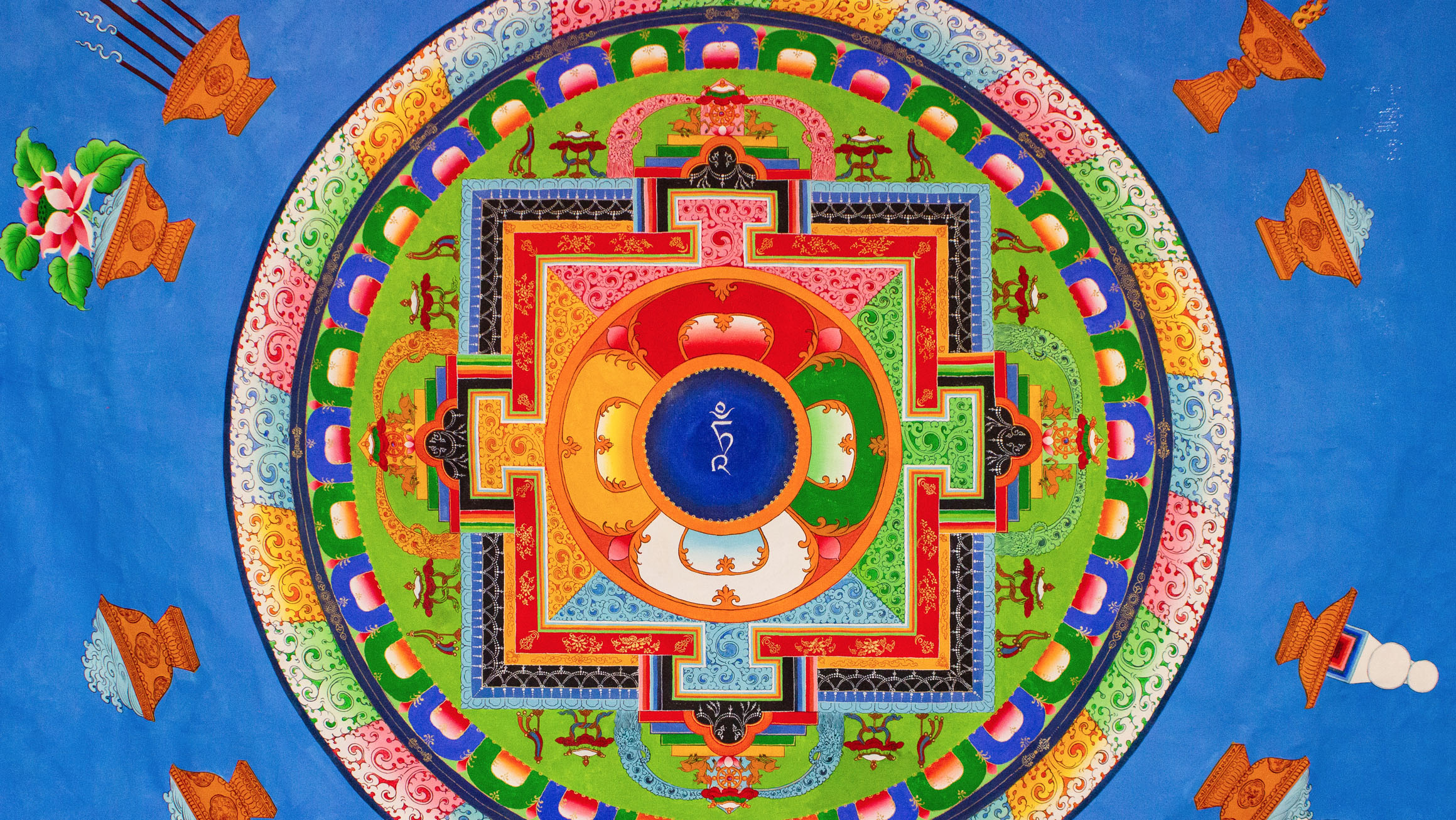
Vajrayana practices taught at Tara Mandala include mantras, dharanis, mudras, mandalas, and the visualization of deities and Buddhas. These practices work with sound, form, and symbol to deepen realization and transform perception.
In Vajrayana, empowerment, or wang, is received from a qualified spiritual teacher before engaging in tantric practice. This tradition is understood as a powerful and accelerated path to awakening. For those searching for Vajrayana retreats in Colorado or Tibetan Buddhist tantric practice, Tara Mandala offers specialized retreats on these teachings.
How Mindful Eating Supports Retreat Practice
Mindful eating is part of retreat practice at Tara Mandala. Meals are taken with awareness, helping us bring the same calm attention to eating that we bring to sitting and walking meditation. This simple practice can open insight into nourishment, gratitude, and interconnection.
On retreat, carefully prepared vegetarian meals are served. Retreatants may also assist in meal service and cleanup through work meditation.
What Happens in Dharma Talks on Retreat
Dharma talks are the spoken heart of retreat. Each day, teachers offer teachings from the central practices of Buddhism, often connecting retreat experience with daily life. Talks may explore wisdom, Right Livelihood, the Four Foundations of Mindfulness, the Five Hindrances, loving kindness, equanimity, or stories that illuminate the path.
These talks are not doctrines to be accepted blindly. They are practical teachings offered for reflection, application, and direct experience.

Leaving Retreat and Returning to Daily Life
Whatever you expect a retreat to be like, it will probably be different. Most participants find it refreshing, healing, and often life‑changing. The stillness and simplicity of retreat create a unique space for renewal that can be difficult to find in ordinary life.
At the close of the retreat, participants leave with teachings, insights, and practices to take home. The invitation is to return to daily life with renewed awareness and compassion, bringing practice into the communities and relationships we touch.
How Virtual and Online Retreats Work
A strong retreat container matters online just as much as it does in person. Creating a calm, focused environment at home helps support depth of practice and reduce distraction. Think of it as building a simple but steady container for your virtual retreat experience at Tara Mandala.
Creating Your Virtual Retreat Environment
For a virtual retreat, it helps to keep normal activities and distractions to a minimum. Set aside a space where you can sit for teachings and practice, and make it feel supportive and intentional. A candle, flower, or small shrine can help mark the space as special.
Technical and Retreat Guidelines
- Please do not multitask while online with the community.
- Engage as fully as you would if we were in person.
- Participants will be muted during most or all of the retreat to reduce background noise.
- The session facilitator will provide guidance on when questions or comments are welcome.
- Troubleshoot audio issues using Zoom’s audio help guide, or leave and rejoin the event.
- It can be helpful to keep your video on for community connection.
- Please keep your audio muted so the speaker can be heard clearly.
- Troubleshoot video issues using Zoom’s video and camera help guide and reach out to our tech support.
Your Space
Choose a place where you will sit for teachings and practice.
Be intentional about the space. Where do you feel most awake, receptive, and at ease?
Set up your chair or cushion in advance, along with a side table for a notebook, water, and anything else you need.
Make sure you have access to an outlet for your computer.
Add something uplifting to the space, such as a flower, candle, or small shrine.
How to Prepare for a Multi‑Day Retreat
Create your personal schedule outside of retreat sessions.
Decide when you will get up, go to bed, eat, exercise, and go outside.
Consider short naps as part of your retreat rhythm.
Turn off social media, news, and other entertainment.
Take care of important communications before the retreat begins.
If you live with others, discuss your retreat with them ahead of time.
Let them know your intentions, motivation, and schedule.
If you have children, decide when you will spend time with them.
Buy and prepare food in advance so you do not need to shop during the retreat.

Have a bell, vajra, and damaru in your space if you have them and are part of the practice.
If a Tsog (feast offering) is scheduled for the final day, prepare the required foods in advance.
Is Financial Aid Available?
Scholarships and Financial Aid are available here.
Teacher’s Fees
Teacher compensation is covered by Tara Mandala. However, we invite you to offer dana, or a donation, to the teacher if you feel inspired and have the capacity. Links for offering dana are provided before and at the end of the program. For more information about dana, click here.