Gateway Program
A Study & Practice Program for the Dedicated Practitioner in the Terma Cycle of Dzinpa Rangdröl ‘Natural Liberation of Clinging,’ a Dzogchen terma from Do Khyentse Yeshe Dorje
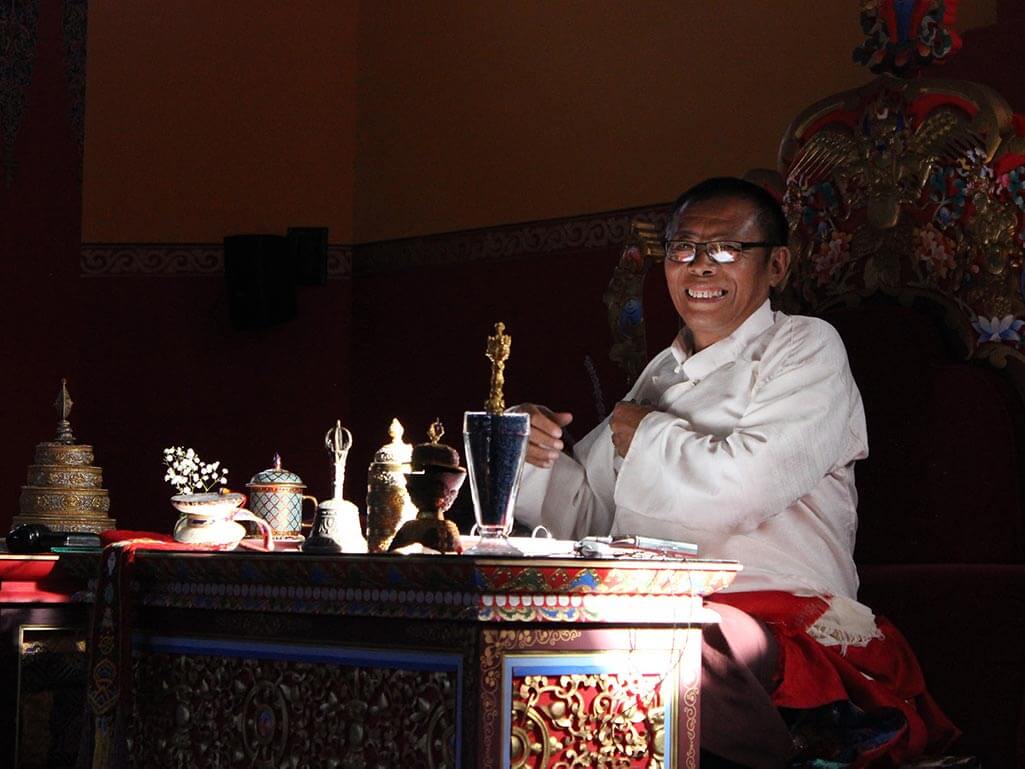
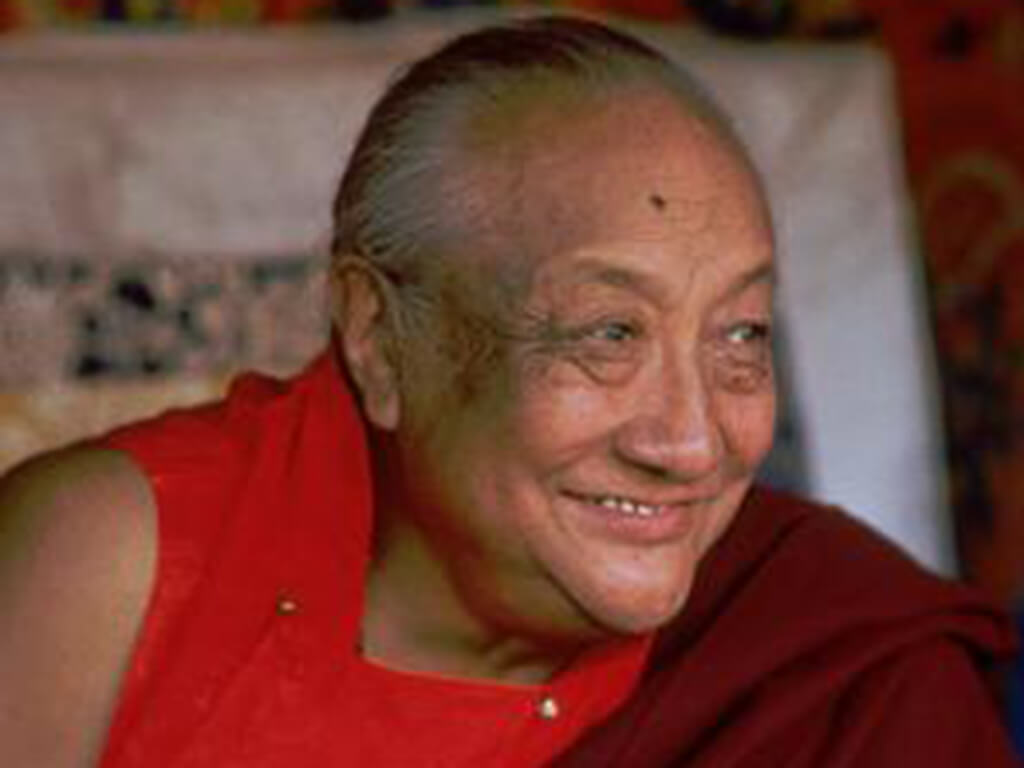
This eight-year program is for dedicated practitioners who cannot do long-term retreat, but who wish to live a life imbued with intense practice. The curriculum consists of all the practices done in the traditional Vajrayana three-year solitary retreat, but is adapted for the modern practitioner living in the world. This lineage has been established at Tara Mandala through the kind guidance and blessings of Tulku Sang-ngag Rinpoche, who received this cycle from his teacher, the great Dilgo Khyentse Rinpoche.
This program focuses on the Dzinpa Rangdröl (Natural Liberation of Clinging) cycle of teachings that Machig Labdrön revealed to Do Khyentse Yeshe Dorje (1800-1866). It is an extremely unique lineage as it combines the teachings of Machig Labdrön with the Dzogchen (Great Perfection) teachings. Among the many precious practices in this cycle, we find:
- Three Chöd (Severance) practices, one of which will be taught during the first three years.
- Ngöndro with Dream Yoga
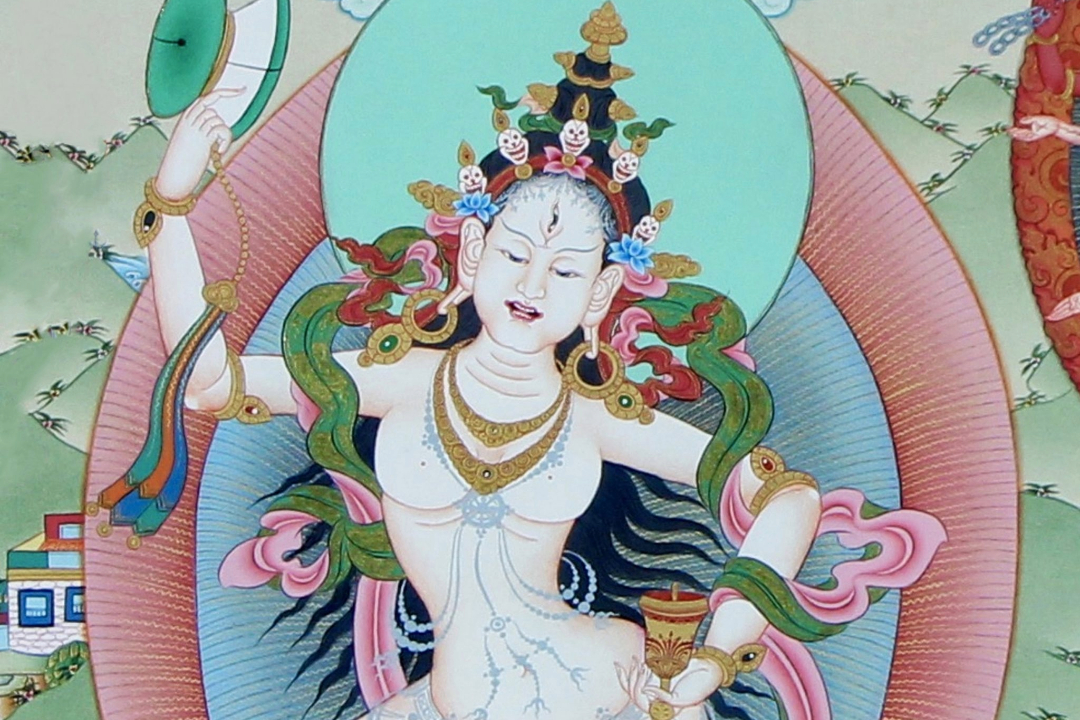
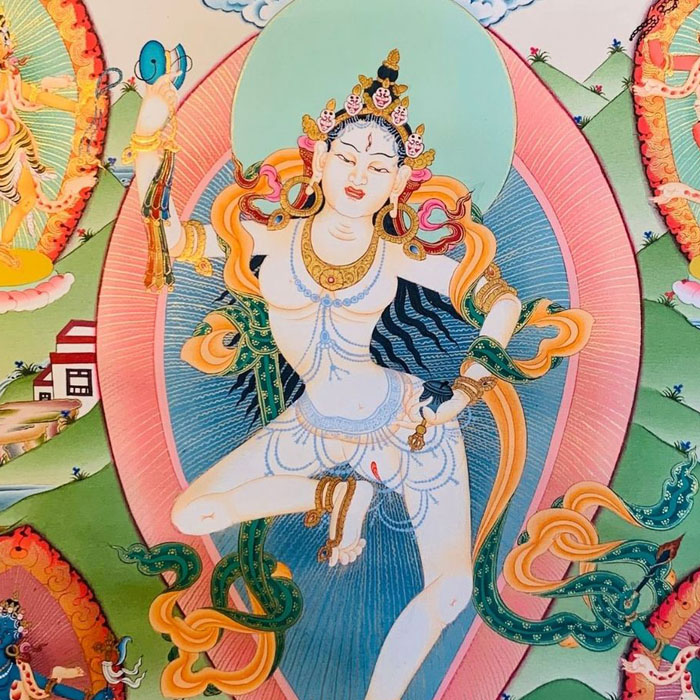
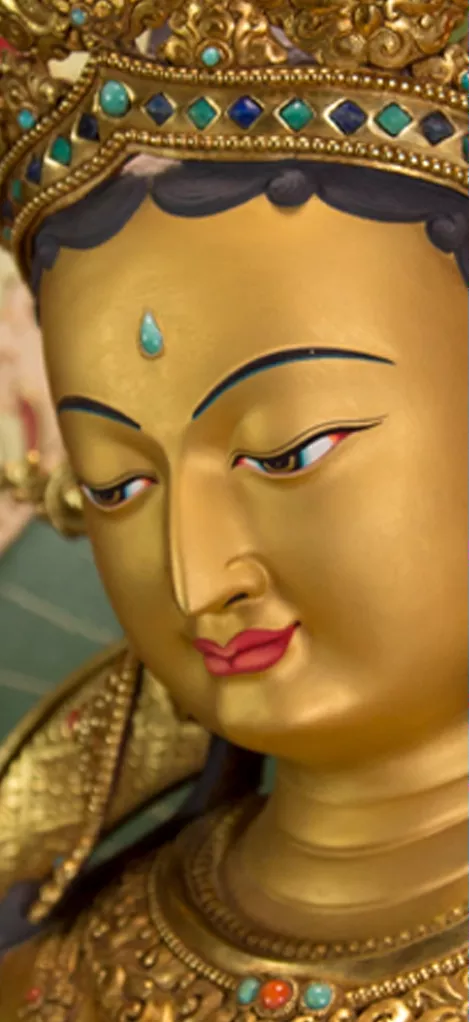
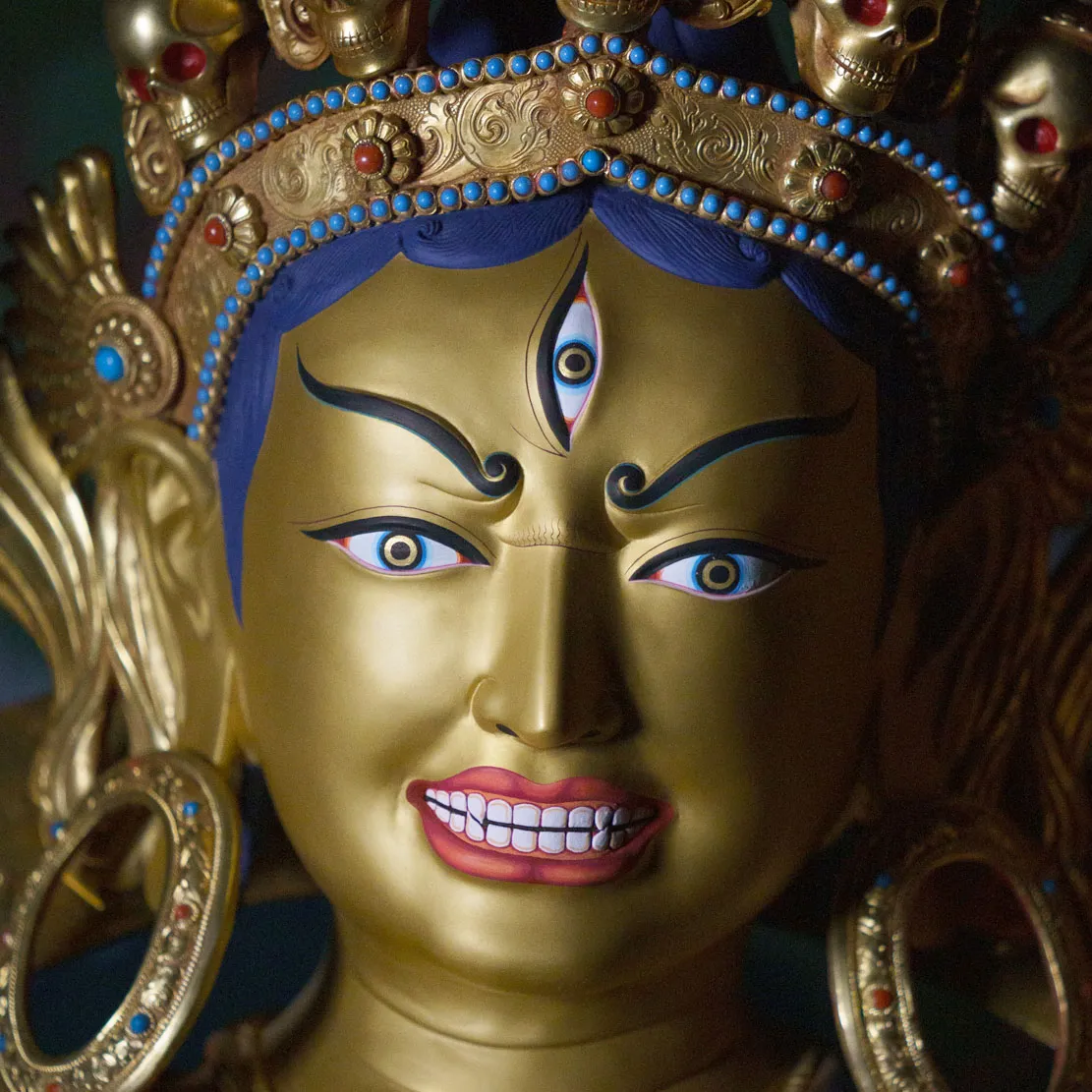
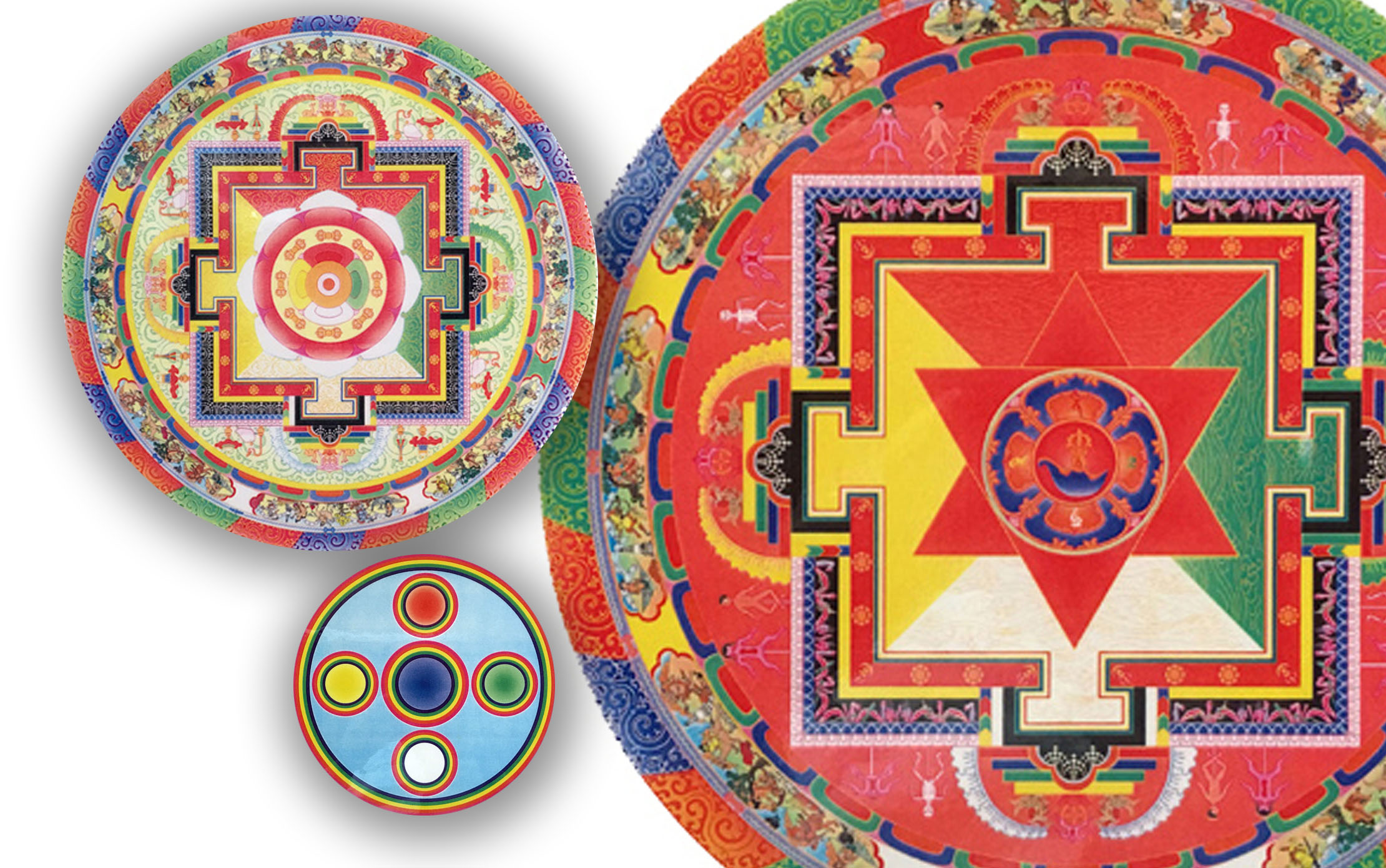
- Two Deity Yoga sadhanas, White Dakini (union of Yeshe Tsogyal and Machig Labdrön) and Tröma (literally mean Fierce Feminine) are the two Deities, or Yidams, connected to Dzinpa Rangdröl,
- The Tibetan Yogas of Tsalung, Trulkhor, and Tummo.
- Trekchö (Break-through) and Tögal (Leap-over) teachings that are unique to Dzogchen.
This program offers a rare opportunity to receive this exceedingly pure esoteric lineage with consistent support and structure for the dedicated practitioner. This unique lineage has been established at Tara Mandala since 2008 through the kind guidance and blessings of Tulku Sang-ngag Rinpoche. The program is open to anyone interested who is accepted after their application and interview. We now have three different cohorts who have almost completed the full cycle of the 8-year program. And more teachings may open up for these first cohorts such as the 6 Yogas which are also part of Dzinpa Rangdröl, including P’howa and a practice for the deceased.
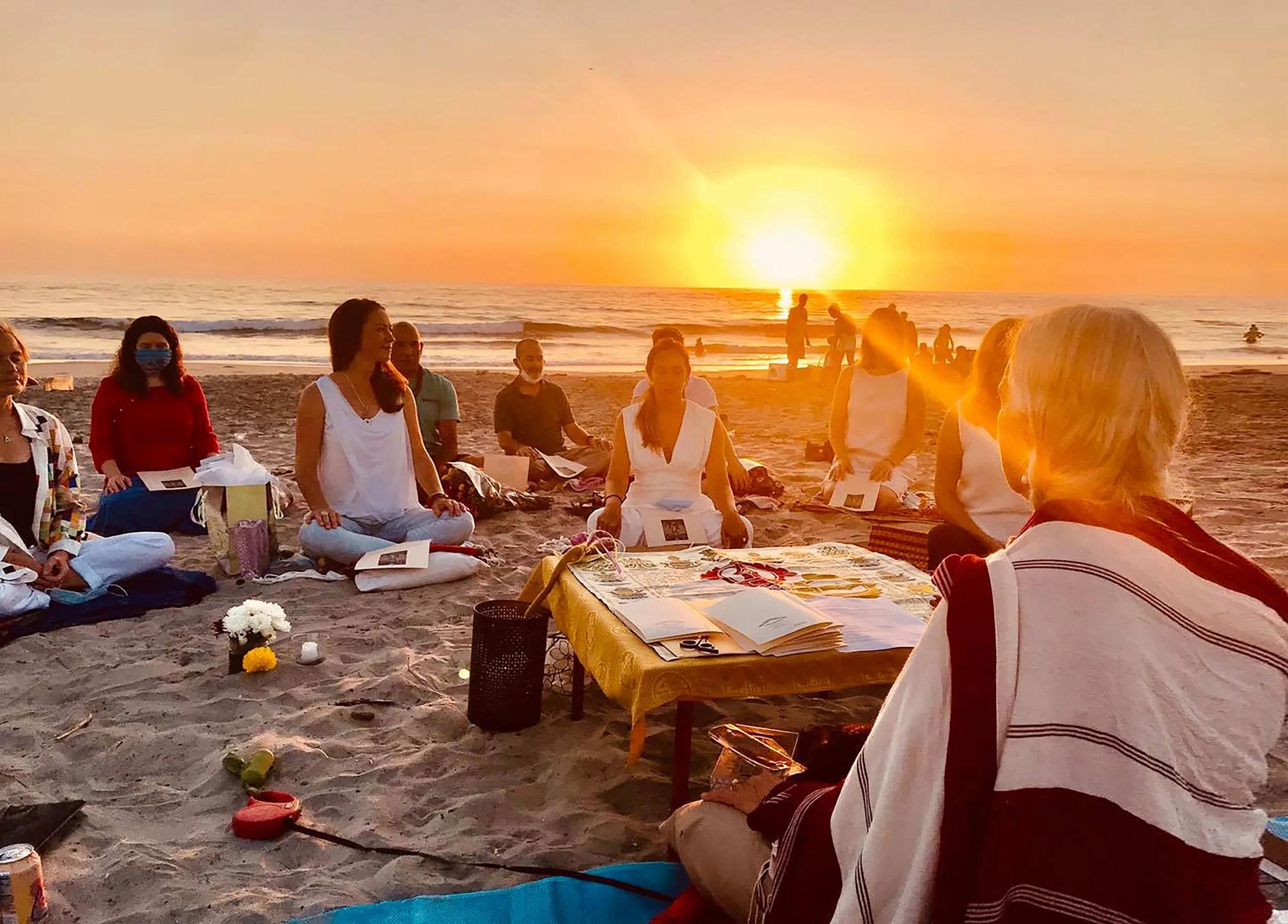
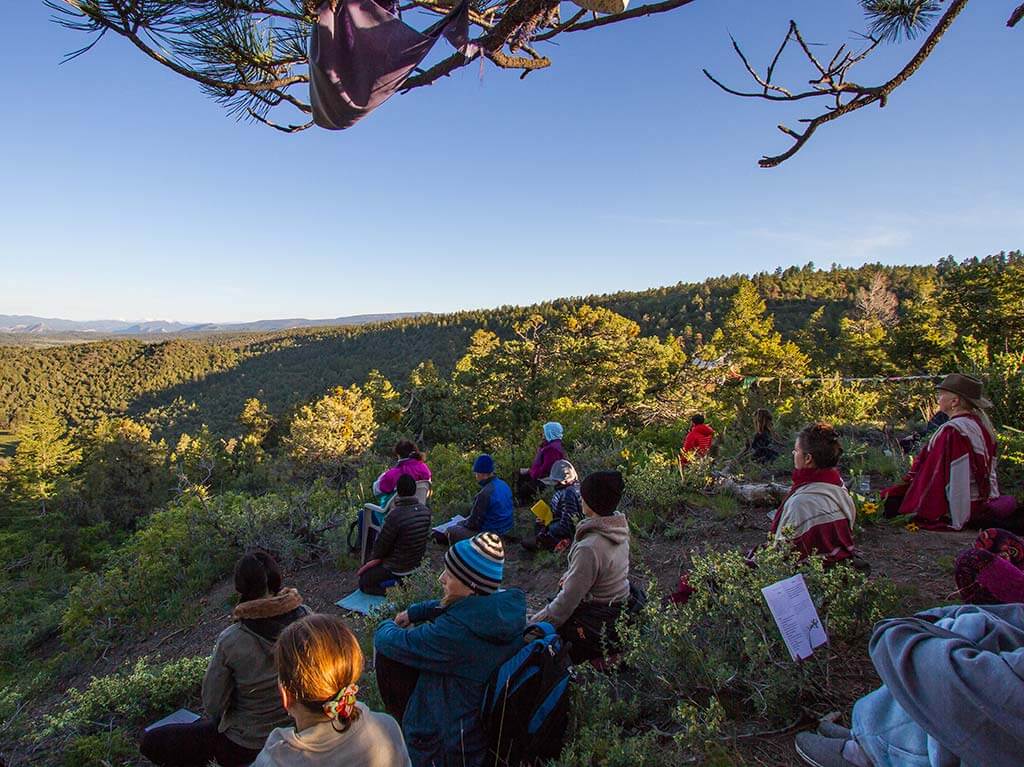
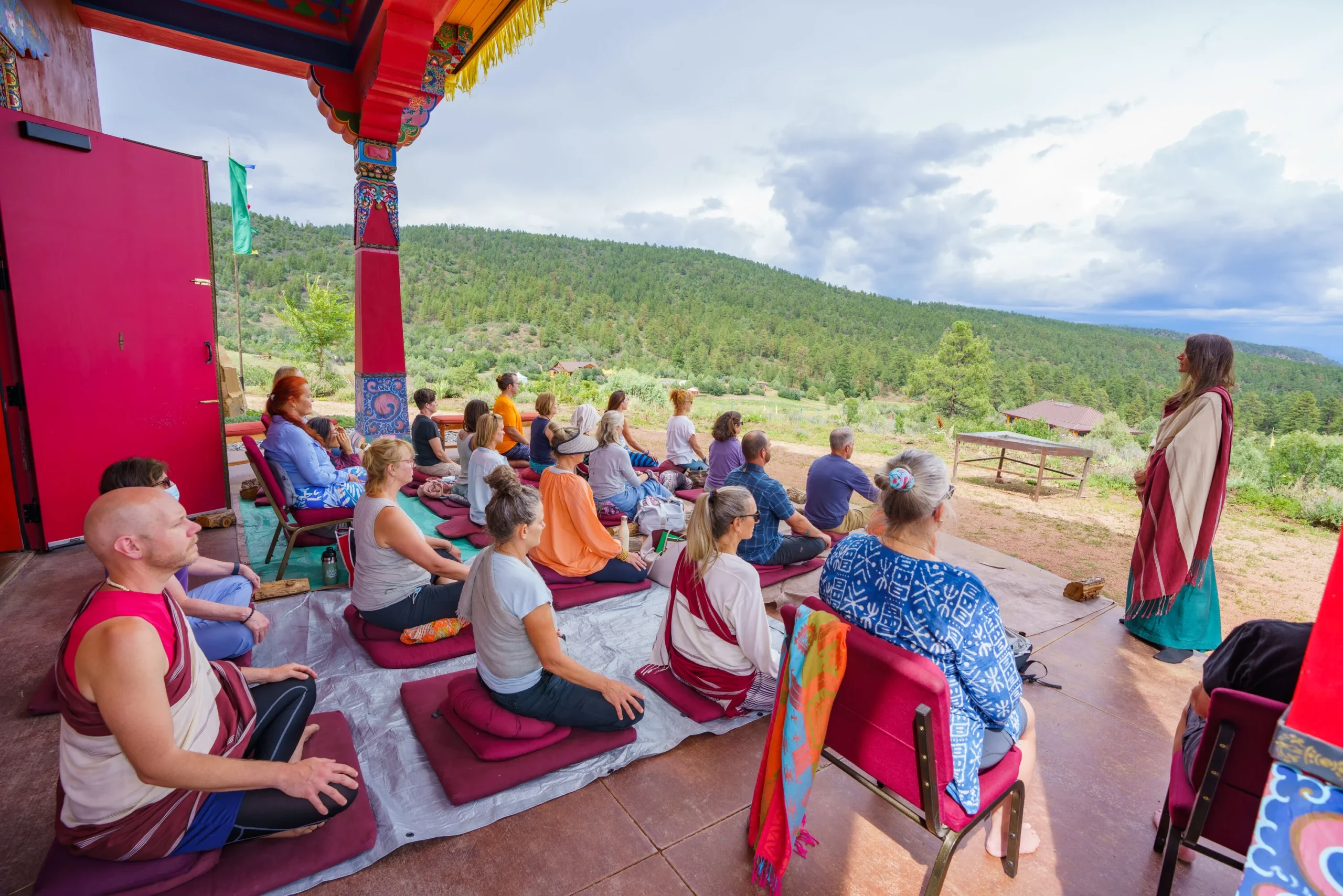
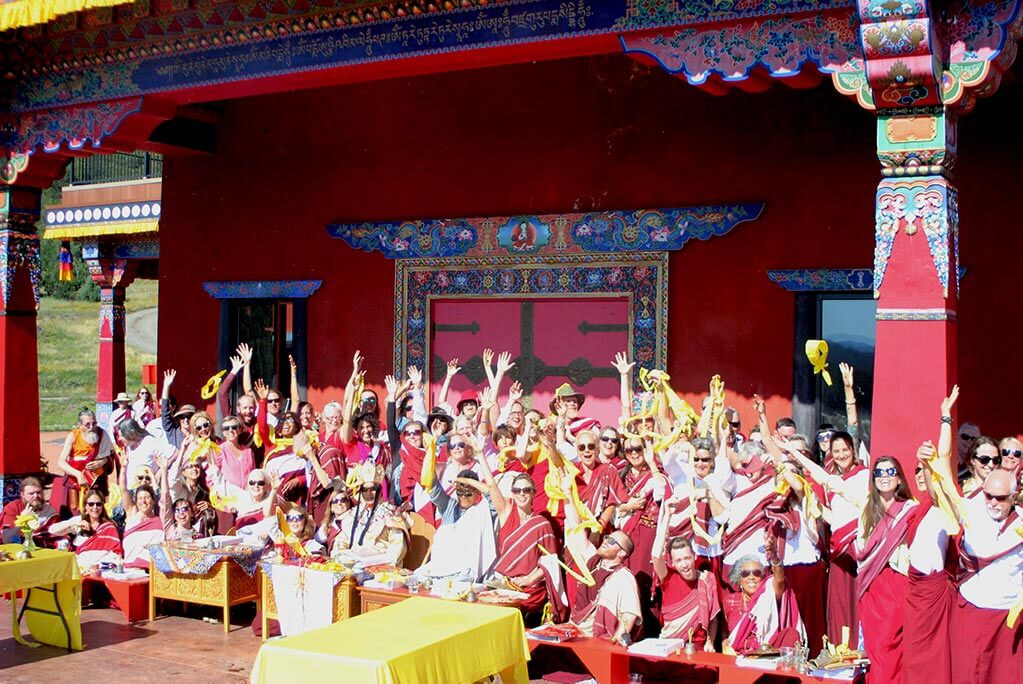 Photo credit: Clinton Spence
The Gateway Program is divided into two parts:
The Foundation Program, the first part of the Gateway Program, spans the first three years and consists of the Preliminary Practices (Ngöndro) and Parchangma Chöd.
The Complete Transmission Program, the second part of the Gateway Program, spans five years and is for those who have completed the Foundation Program or have completed another Ngöndro plus ten percent of the Dzinpa Rangdröl Ngöndro. This program consists of the two yidam practices (White Dakini and Tröma Nagmo), Tsalung (Tibetan Yoga including Trulkhor and Tummo), Dzogchen preliminaries Rushen, and finally Dzogchen (Trekchö: Break-Through and Tögal: Leap-Over).
Gateway Update
Please note that applications to join the Gateway Program are now closed. Please contact the Registrar here should you have any questions.
The Path in Detail: The Dzinpa Rangdröl Cycle
The Tibetan word Dzinpa means “to cling” or “to fixate.” Rang means “natural” or “innate” and dröl means “to liberate.” Together, the terms Dzinpa Rangdröl may be translated as Natural Liberation of Clinging or Fixation— a path in which our dualistic clinging to self and other is naturally liberated in its own place. Dzinpa Rangdröl is the core text of Do Khyentse’s extensive terma (treasure) cycle called the Yangsang Khandro Tug Tig (Exceedingly Secret Heart Essence of the Dakini). Within this cycle are all of the different types of practices that comprise the full Tibetan Buddhist path.
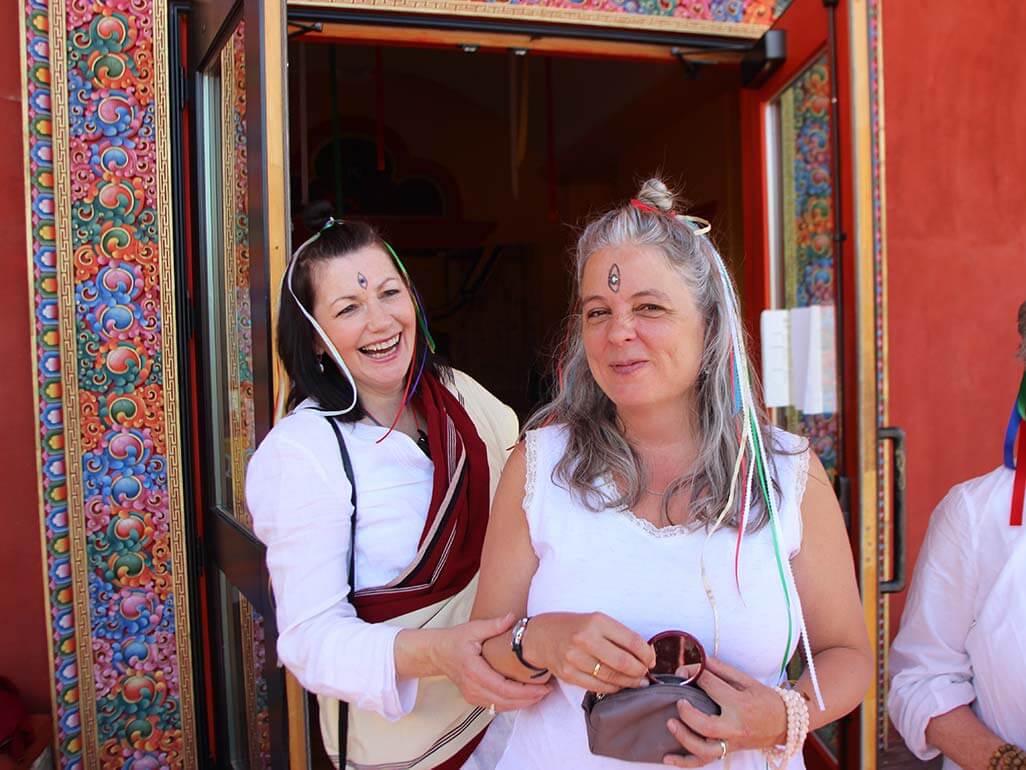
Over the course of the program, a close cohort of fellow practitioners will develop, providing a
sense of camaraderie and support; there will be community-building groups and a buddy system while engaging in these profound practices. Each practitioner will also be assigned a Kalyanamitra, a spiritual mentor, with whom they will communicate with monthly, get support, and share experiences.
Program Overview
The Foundation Program spans three years and covers the Ngöndro, or ‘that which goes before,’ which is the gateway practice for entering the profound lineage of the Dzinpa Rangdröl cycle. This program is designed so that participants will complete the Dzinpa Rangdröl Ngöndro at the end of the three years. Since the time of Guru Rinpoche in the 8th century, the practice of Ngöndro has been completed by many great yogis and yoginis, many of whom have taken Ngöndro as one of their core practices. Commensurate with the complete body of the Dzinpa Rangdröl cycle, many practices in this Ngöndro are considered esoteric and in the past were given only as a practitioner’s second Ngöndro. In this Ngöndro, one completes the outer preliminaries. The contemplations on the Four Thoughts that turn the Mind: Precious Human Body, Impermanence, Karma, and
Suffering of Samsara, plus the blessings of the Lama. Following those are inner preliminaries 100,000 prostrations with refuge; 40,000 Bodhichitta prayers with accompanying compassion meditation; 100,000 Vajrasattva mantras; 100,000 Mandala Offerings; and 1,200,000 Guru Yoga mantras.
Each of these practices are accompanied by visualizations. The purpose of these practices is to purify the body, speech, and mind and to accumulate merit, akin to preparing the foundation before a house is built. Practitioners should expect to practice 2-3 hours a day.
Those who have already completed a Ngöndro in another lineage will be required to do 10% of the Dzinpa Rangdröl Ngöndro in order to enter into the second level/Complete Transmission Program. To receive these instructions and begin the practice, there are no additional prerequisites; however, it is a practice that requires great effort and commitment. The application and interview process must also be completed.
The second section of the program builds upon the Foundation Program and is for those who have completed the Ngöndro requirement. The five years of this curriculum include the Deity Yoga practices of Tsogyal Karmo and Tröma, Tsalung yoga (adjusted for those with physical limitations), and the Dzogchen preliminaries of Outer and Inner Rushen, followed by Tregchö and Tögal. There are also various other yogic and Dzogchen practices attached to this cycle, including three main Chöd practices of varying lengths. There will be both group and solitary retreat requirements as well as a commitment to regular two-hour daily practice.
Prerequisites: Completing the Foundation Program (Ngöndro) or 10% of the Dzinpa Rangdröl Ngöndro if you have already completed Ngöndro in another lineage. An interview may be requested and acceptance into the program is required. What is unique in Gateway is you will have support from your cohort and Kalyanamitra during the process.
Foundation Program Details
The primary focus of the Foundation Program is training in the Dzinpa Rangdröl Ngöndro, the Foundational Vajrayana practices, which include:
- Contemplations on the Four Thoughts That Turn the Mind toward the Dharma
- Training in the two kinds of Bodhichitta: Absolute and Relative
- The Four Immeasurables: Love, Compassion, Joy, and Equanimity
- Progressive Stages of Emptiness
- Barlung Breathing
- Refuge & Prostrations
- Training in the two kinds of Bodhichitta: Absolute and Relative
- The Four Immeasurables: Love, Compassion, Joy, and Equanimity
- Vajrasattva mantra recitation
- Mandala Offering
- Guru Yoga
- Dream Yoga
- Parchangma Chöd will also be taught in the Foundation program
Each year, you will participate in the following:
- An annual retreat with Lama Tsultrim Allione, Tulku Sang-ngag Rinpoche, Dorje Lopön Chandra Easton and/or Tsalung Lopön Beth Lee-Herbert at Tara Mandala Retreat Center and/or through online programs.
- Monthly teachings and/or cohort check-in calls via Zoom with Lama Tsultrim, Tsalung Lopön Beth, Dorje Lopön Chandra and/or other mentors.
- Regular email and/or Zoom contact with your Kalyanamitra.
- Required daily 2-3 hour personal practice commitment (depending on the speed you do the practices at, it will take longer in the beginning as you learn the practices)
- Occasional daylong, weekend or longer personal retreats as appropriate
- White Dakini Drubchö retreat at Tara Mandala – first 2 years of the Foundation Program participation is optional, but the third and final year in-person attendance is required as this Drubchö provides the empowerment for the entire cycle of teachings. The Drubchö also serves as a wonderful opportunity to come together as a Dzinpa Rangdröl Sangha with all cohorts on a semi-regular basis to purify samaya and rejoice in the blessings of the lineage
- Becoming a Sustaining Sangha member of Tara Mandala.
- Taking the Parchangma Chöd Retreat.
- In addition, those participants who have not yet completed the Three Yanas program and/or the Heart of Buddhism: A Year Long Buddhist Studies Program will be required to do so during the first three years of the program. If you are unable to receive these teachings in their entirety by the end of the Foundation Program, then you must complete this by the end of the Complete Transmission (Part 2) Program at the very latest. Please note that exceptions could be made to this depending upon past comparable study.
Complete Transmission Program Details
The Complete Transmission Program will take those who have completed the Dzinpa Rangdröl Ngöndro requirement into the progressive stages that are traditionally practiced during the three-year retreat.
The five-year Complete Transmission Program will consist of the following:
Year 1: Yidam Practices:
In this year, you will learn two deity (yidam) yoga practices:
Tsogyal Karmo (The White [Dakini] Yeshe Tsogyal) retreat in person followed by daily practice (two hours of practice per day) including approach, accomplishment, activities, and fire puja.
Tröma Nagmo (The Black Fierce One) retreat in person followed by daily practice including approach, accomplishment, activities, and fire puja.
Year 2: Tsa-Lung:
This consists of a six-day in-person retreat followed by one year of daily home practice. It includes Trulkor (Tibetan yoga), Tummo (inner heat), and Milam (dream yoga). Those with physical constraints preventing Tsalung practice will be given guidance and support.
Year 3: Rushen:
This year includes an in-person (length to be determined) Rushen (Dzogchen preliminaries) retreat followed by one year of daily practice, cycling through the Rushen training including Lujong (body training), Nangjong (speech training), Semjong (mind training), Nalbab (resting in naturalness), and Sorzhug (entering into freshness).
Year 4: Trekchö
This year includes the Dzogchen practice called “Break-Through.” There will be an in-person retreat (length to be determined) followed by one year of daily practice.
Year 5: Tögal
This final year includes the Dzogchen “Leap-Over” practice, consisting of an in-person retreat (length to be determined) followed by daily practice throughout the year.
You will have a completion ceremony at that year’s Drubchö retreat.
How to Join – Level 1: The Foundation Program Overview
The Foundation Program spans three years and covers the Ngöndro, or ‘that which goes before,’ which is the gateway practice for entering the profound lineage of the Dzinpa Rangdröl cycle. This program is designed so that participants will complete the Dzinpa Rangdröl Ngöndro at the end of the three-year time period. Since the time of Guru Rinpoche in the 8th century, the practice of Ngöndro has been completed by many great yogis and yoginis, many of whom have taken Ngöndro as one of their core practices. Commensurate with the complete body of the Dzinpa Rangdröl cycle, many practices in this Ngöndro are considered esoteric and in the past were given only as a practitioner’s second Ngöndro. In this Ngöndro, one completes 100,000 prostrations with refuge; 40,000 Bodhichitta prayers with accompanying meditation; 100,000 Vajrasattva mantras; 100,000 Mandala Offerings; and 1,200,000 Guru Yoga mantras.

 Photo credit: Deborah Howe
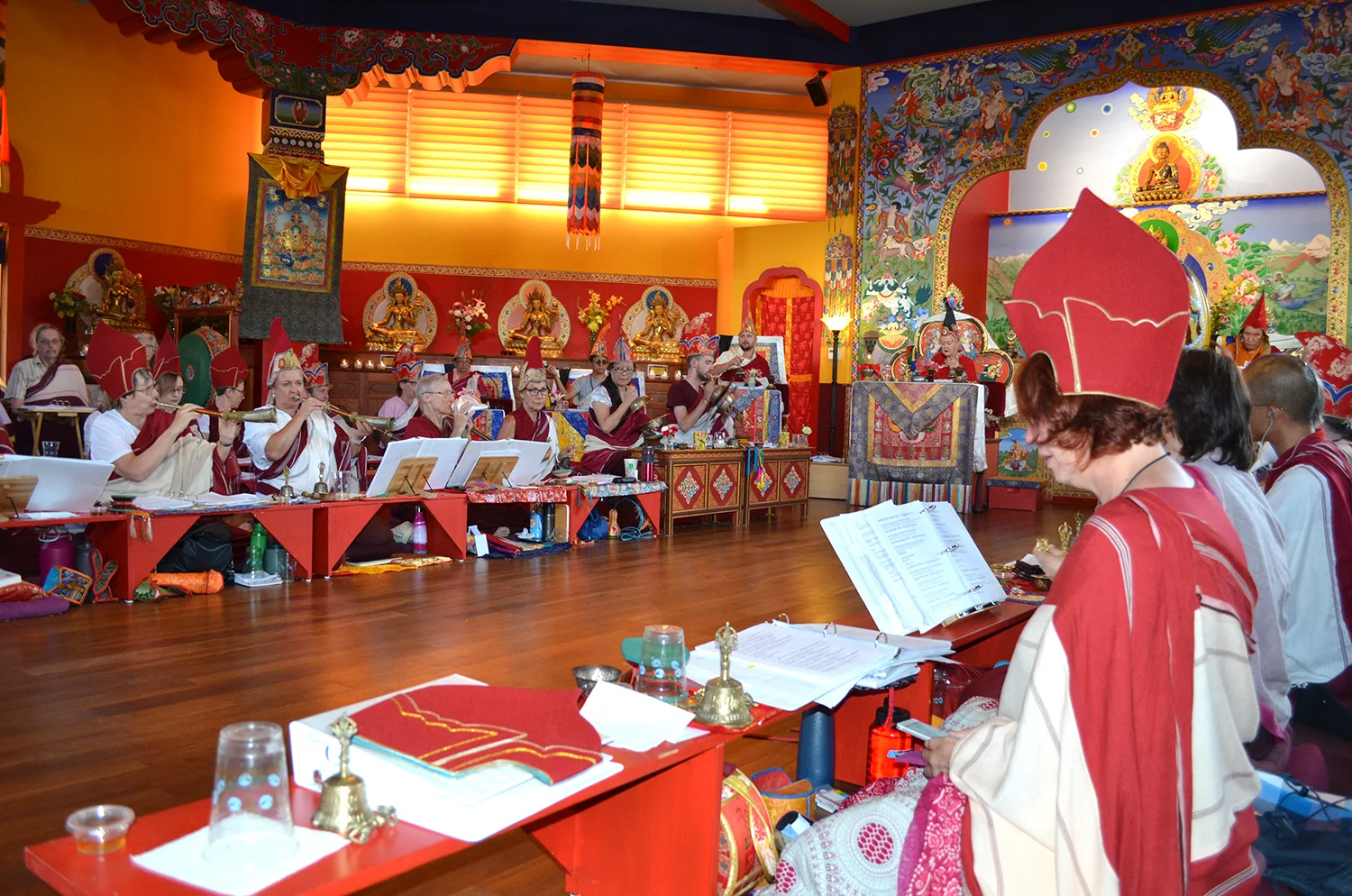
 Photo credit: Deborah Howe
All of these are accompanied by visualizations. The purpose of these practices is to purify the body, speech, and mind and to accumulate merit, akin to preparing the foundation before a house is built. Practitioners should expect to practice 2-3 hours a day.
Those who have already completed a Ngöndro in another lineage will be required to do 10% of the Dzinpa Rangdröl Ngöndro in order to enter into the second level/Complete Transmission Program. To receive these instructions and begin the practice, there are no additional prerequisites; however, it is a practice that requires great effort and commitment. The application and interview process must be completed.
Complete Transmission Program Details
The Complete Transmission Program will take those who have completed the Dzinpa Rangdröl Ngöndro requirement into the progressive stages that are traditionally practiced during the three-year retreat.
Can I join Gateway even though it is already underway?
Please contact the Registrar with any questions about how to enter the Gateway Program.
Estimated Financial Commitment
Upon acceptance into either cycle of this program, the financial commitment includes:
- Payment of an annual administrative fee of $350 will be due after being formally accepted into the program. This amount will be charged to your account annually, or through monthly payments. This fee covers administrative costs, costs for translation of relevant texts, text editing and preparation, webcast administration and group oversight.
- If you are a member of another long-term program through Tara Mandala (Magyu or Ösel Nyingtig), please know that you will be charged a combined fee of $500 for both programs starting at the time that you are accepted to the Gateway program (this reflects a $200 discount for being part of both lineages). If you are already a member of two long-term programs at Tara Mandala and are interested in joining the Gateway program, please communicate this in your application.
Becoming a Sustaining Sangha member at $30/month Friend of Tara Mandala level or higher is also required. By becoming part of Tara Mandala’s monthly giving community, this support helps keep the flame of wisdom and compassion ablaze to awaken in the world. Members receive meaningful discounts on programs, retreat cabins, and purchases to empower their practice path, as well as an invitation to the Sustaining Sangha Community Group on yana, featuring complete access to new and archival teachings and entrance to intimate live events with Lama Tsultrim and Tara Mandala teachers
Special Membership Rates:
- Students under 25 years of age may sign up at $15 per month until they are over 25, at which point they will be asked to increase their donation to $30 or higher per month
- For those over the age of 65 who are living on a fixed income, you may be eligible for the $15 per month level. However, if you have the capacity to give at a $30+ level, we strongly encourage you to do so as these donations are crucial for covering our operational needs
Retreat Costs
The costs of your required annual group retreat(s) which will usually be one per year are also your responsibility, including travel costs if the retreats are held at Tara Mandala or elsewhere. We will also offer online retreats whenever possible.
Dana (Offerings to Teachers)
Offering dana to teachers is also traditional and expected based on your capacity to give:
- The dana range for each Kalyanamitra session is $50-$150/hour
- Dana range for all annual retreats is $20-$60 per day of an in-person retreat or online program
Program Participation
Participation in this program includes:
- Q+A sessions and/or cohort check-in calls monthly
- Access to a members-only space on yana with important supplementary material
- One-on-one support provided as needed, via email or video phone calls, with your Kalyanamitra

Financial Assistance
Once accepted, if you have financial hardships that make these financial commitments challenging, you can apply for a scholarship to help cover the annual administrative fee. We do not want financial challenges to prevent anyone from participating.
What People Are Saying
“I have participated in the Gateway program for five years now. It has profoundly changed my life. Being given access to these precious teachings in a structured and progressive format has been a great gift. Having the support of Sangha, Teachers and, of course, Lama la…well…there are no words. I will be forever grateful for the opportunity to participate.”
L. Treasure, Garuda Cohort 2013
“By committing myself to practice for two hours a day, I started on a path that has activated a REAL process of stripping away what’s false in my life. The commitment has necessitated a lot of distraction falling away, and the outcome is a reorientation of my value system and my way of being in the world. Seven years into the practices, I feel a great deal of inner simplification and clarity. I am constantly touched by the deep psychological wisdom in these ancient processes and the way each step catalyzes the next layer to open. The feedback that comes from life in the world becomes part of this dialogue. During my time in the program, I have experienced deeply disorientating personal tragedy and loss, but I was able to relax into the groundlessness by staying with the process and through the support of Lama and the Sangha. In this way, it became a doorway to understanding the true groundless state of awareness.”
Rosemary Bourne, Acupuncturist
In 2013 I entered the Gateway program, as it afforded me the opportunity to become immersed in traditional Tibetan Buddhist practices while living as a lay person. It was with some trepidation that I made the commitment: I was not sure that I was ready to practise so intensively; in addition, I live in South Africa, which seemed far away physically and culturally from Tara Mandala and this lineage. Lama Tsultrim gave me the sound advice to take things year by year. As I did so, Dzinpa Rangdröl practices gave me many gifts: discipline; insights into and understanding of myself and the world around me; the joy of practising and sharing in community; to name just a few. The love and support of the Teachers and Sangha at Tara Mandala helped me negotiate practice obstacles and form deep spiritual bonds; and allowed me to recognize that we are all connected, no matter how far apart we may sometimes feel. Much gratitude to Gochen Tulku Sang-ngag Rinpoche and Lama Tsultrim for bringing this practice cycle to us.
Helen Friedlande
Pretoria, South Africa
Garuda Cohort 2013
Joining the Gateway Program was taking a deep dive into Tibetan Buddhism. I had been practicing vipassana/mindfulness meditation and knew a little bit about the preliminary practices/ Ngöndro. I met Lama Tsultrim at a Wisdom Dakini retreat and felt a strong connection to her.
I have both loved and felt challenged by each stage of the program and the different practices. I remember Lama Tsultrim saying that Ngöndro is a bit like going through the washing machine. I would say that is true for all the practices. It has been transformational for me, through both the thinning of my ego and the strengthening of my spirit and connection to the lineage.
I have had the good fortune of a strong connection with my Kalyanamitra, a great therapist/practitioner as well as some buddies to reach out to for support and comradery. It has been an enormous blessing which continues to deepen and expand.
Jeanne Mahon
Tiger Cohort 2016
When I joined the Gateway program in 2013, I was yearning for a way to deepen my Buddhist practice and make it a central part of my life. The profound practices in the Dzinpa Rangdröl cycle, and the discipline required, gave me the tools to do that. The systemic approach – starting with ngöndro and moving up through esoteric practices – led me through examining (and transforming) my way of being in the world. I feel lighter and more at ease because I’m less attached to circumstances and identity. The Gateway program provided a container, with support and guidance from teachers as well as a cohort of practitioners who became dear friends.
Nancy Thompson
Garuda Cohort 2013
At Trungpa Rinpoche’s cremation, I went for refuge with Khyentse Rinpoche, and, received direct introduction to the nature of mind! 20 years later, LamaTsultrim gave me transmission to the Longchen Nyinthig ngöndro . Finishing that 6 years later, I was at a loss. Being a married-with-children-householder, a 3-year retreat was not in the cards. Aspiring to be a ’serious practitioner’, I was excited to hear about the Gateway Program and joined immediately. It enabled me to navigate committed relationship, child rearing, and intense practice to stay on the path of the precious transmission I received 25 years earlier.”
Anonymous
Lama Tsultrim, Lopön Beth and the Tara Mandala staff have established the Gateway Program for the benefit of laypersons willing to study and practice a precious set of teachings that is historically reserved for the monastic community. They have thoughtfully crafted the program and have supported and continue to support 3 cohorts of students. It is a very rigorous and challenging program that has impacted me in ways that were unexpected. I joined because Lama thought it would benefit my cultivation. I believe that is true. My awareness continues to shift and expand. Each teaching has a profound effect. The process is not easy. It is made possible because there is support; the teachings are offered, Kalyanamitras (spiritual friends) are available for ongoing check-ins, and cohort members help each other. Help also comes from other realms. If there is something in you that wants to practice a very sophisticated set of teachings that can lead you to liberation, this program is a choice with significant potential.
Karen Fong
Garuda Cohort 2013