
Zhitro
Teachings for Transition, Grief, and Resilience
Tibetan Buddhism describes six bardos, or in-between states, that unfold through life, meditation, dreaming, dying, and after death.
Thresholds
Each bardo is a threshold between one experience and the next, carrying the possibility of awareness, transformation, and liberation.
Zhitro Meaning
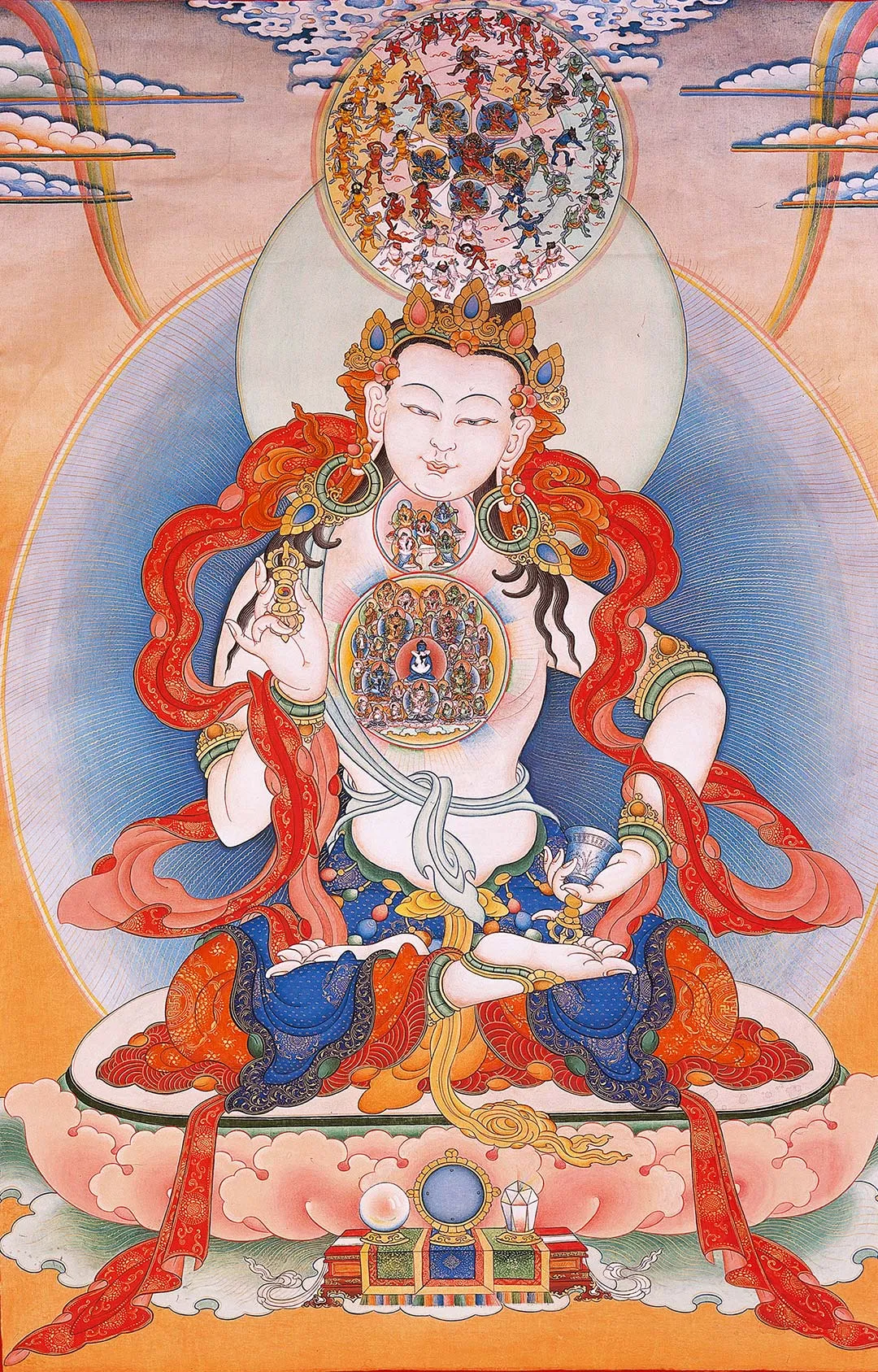
The 49 days following death are understood as the bardo between death and rebirth. Zhitro means “Peaceful and Wrathful” in Tibetan, referring to awakened forms described as appearing during this time, some gentle and peaceful, others powerful and fierce.
Prayers & Practice
You can learn how to offer Zhitro prayers and practice on behalf of someone who has died through a self-paced online course with Lama Tsultrim Allione.
The Course
The course welcomes those coming to the practice for the first time, offering teachings and practical guidance for learning Zhitro with clarity and care. Lama Tsultrim offers the lung, or oral transmission, live each year, and you are welcome to begin the course before receiving it.
Prayers
If You Are Seeking Prayers Now
You may sponsor Zhitro practice for someone who has died or make a general prayer request for yourself, a loved one, or a situation in the world.
Additional Resources
Tara Mandala periodically offers Minding the Gap: Journey Through the Six Bardos and Resting in the Eye of the Storm: Practices for Hope, Healing & Resilience. Both explore how Buddhist practice can support us through change, uncertainty, and suffering.
Teachings on Grief
In Taking Grief onto the Path, Lama Tsultrim draws from her own experience following the death of her husband, David Petit, to explore how grief can become part of spiritual practice. The recording is available to Tara Mandala members in the Wisdom Library & Archives on yana.
Spiritual Guidance
Writing Your Spiritual Care Directive: A Buddhist Plan for the Time of Dying guides participants through naming their spiritual wishes and sharing them with the people who may one day be asked to carry them.
Resources and Training
Tara Mandala is developing Buddhist end-of-life spiritual care resources and training for practitioners, caregivers, chaplains, family members, and others who feel called to accompany people through dying and death with compassion, steadiness, and respect.
Stay Informed
You may add your name to the interest list to hear about upcoming courses and retreats and the development of Buddhist end-of-life spiritual care training.
Aging and Illness in the Dharma
Buddhist teachings on impermanence become deeply personal as the body ages or illness changes what daily life allows.
Aging and Illness in the Dharma (AID) is an active, ongoing practice space in yana for people experiencing aging or illness and those who care for them. Live AID Shares create space for honest conversation and mutual support. Specially guided Feeding Your Demons® practices offer a compassionate way to work with difficult emotions. Buddhist teachings and conversations with Tara Mandala teachers bring perspective and help participants draw the Dharma into these deeply personal experiences.
Aging, illness, and caregiving can reveal the limits of control and clarify what matters. AID offers a place to meet that vulnerability with greater presence and compassion.
The Land
The Sacred Landscape of Tara’s Pure Land
At Tara’s Pure Land, Buddhist teachings and practices surrounding death are given a physical home.
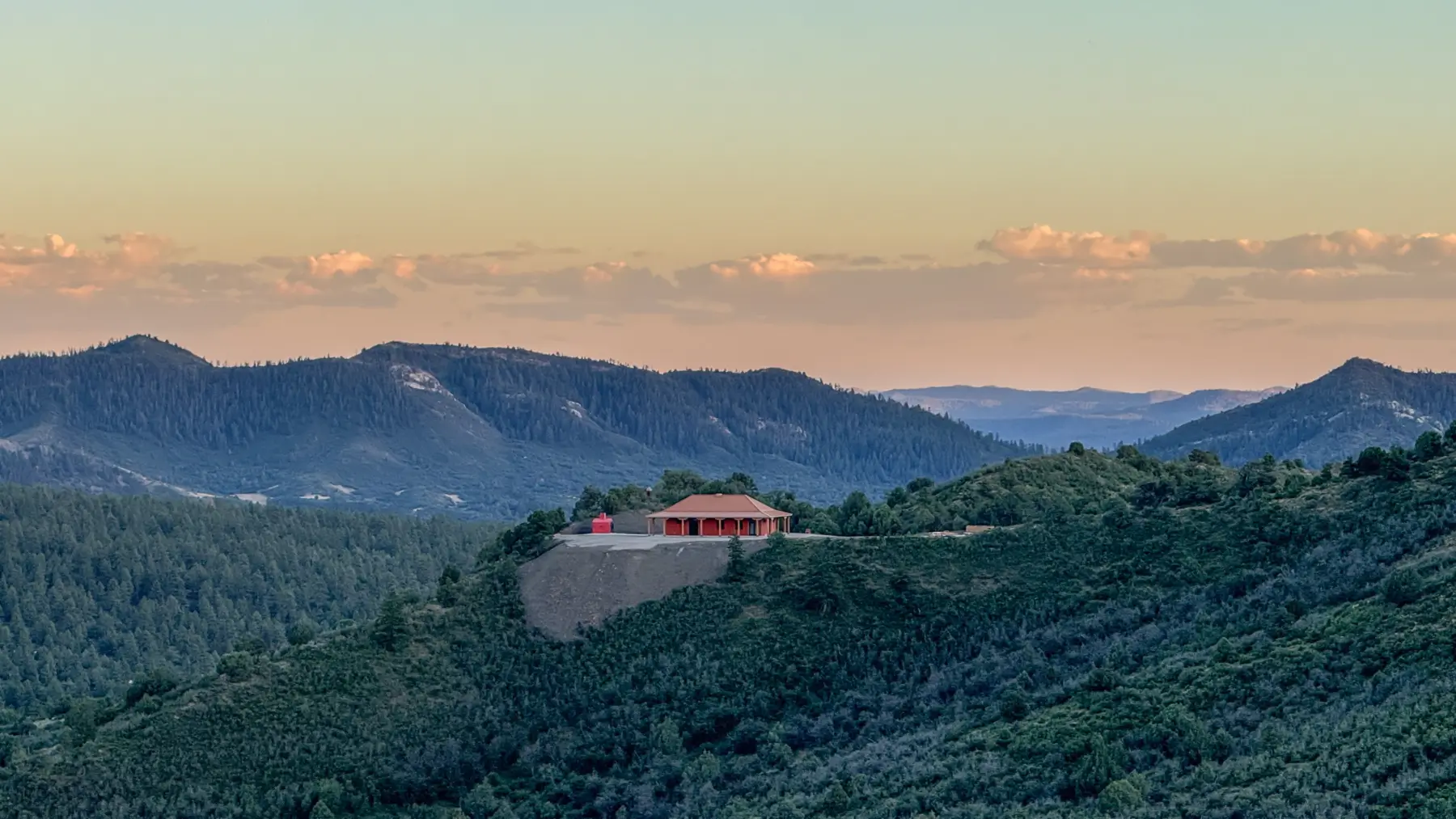
Set atop a ridge, open to the sky, with wide views of the eastern horizon, the land holds death and remembrance within an environment of beauty, dignity, and Dharma.
The Zhitro Temple, Memorial Stupas, and outdoor cremation stupa create places for prayer, ceremony, pilgrimage, and continuing connection.
